
By Kai Ioh and KE TEAM Hawaii
November 2026 Market Update | North Kona MLS Data Through October 2026
Kai Ioh is a luxury real estate advisor based in Kona, Hawai‘i, specializing in second home, resort, and ultra-high-net-worth markets across the Big Island.
Key Takeaways
Kona enters November with a significant slowdown in buyer activity. Pending contracts declined 43.6% year over year for single-family homes and nearly 49% for condominiums.
Single-family home sales remain relatively stable. Year-to-date closed sales increased 1.9%, despite weaker pending contracts and declining median prices.
The condominium market faces greater pressure. Active listings increased 39.4%, and inventory reached 9.6 months, creating more buyer-favorable conditions.
Kona's ultra-luxury resort market operates differently. Buyers in Kūkiʻo, Hualālai, and Kohanaiki often prioritize lifestyle, privacy, and long-term family ownership.
The winter season will be an important test. Seasonal visitors are returning, but whether that translates into more property sales remains uncertain.
November begins with an interesting situation in the Kona real estate market on the Big Island of Hawai‘i.
The Kona real estate market update for November 2026, based on October sales data and November 1 inventory figures, reveals a noticeable slowdown in buyer activity. Pending contracts declined sharply for both single-family homes and condominiums. Inventory increased, median selling prices softened, and buyers appeared increasingly cautious.
The condominium market experienced the greatest slowdown, with pending contracts down nearly 49% from a year ago. However, not every segment is experiencing the same conditions. Single-family home sales have remained relatively stable year to date, while we continue to observe meaningful activity in Kona's ultra-luxury resort market.
I believe several factors may have come together to create what I would call a perfect storm of uncertainty.
The question now is whether some of that uncertainty will begin to ease as Kona enters its traditionally stronger winter season.
Let's look at the numbers.

Kona Real Estate Market at a Glance
The latest North Kona MLS statistics show a market with increasing supply, weaker immediate demand, and significant differences between property types.
However, Kona is not one uniform real estate market.
Single-family residences, condominiums, and private resort properties are experiencing different conditions. Even within the same property category, the differences between price ranges can be substantial.
This is why understanding specific neighborhoods and price segments matters more than simply looking at overall market averages.
Single-Family Homes: Slower Demand, but Sales Remain Stable
As of November 1, North Kona had 162 active single-family home listings, nearly 30% more than a year ago.
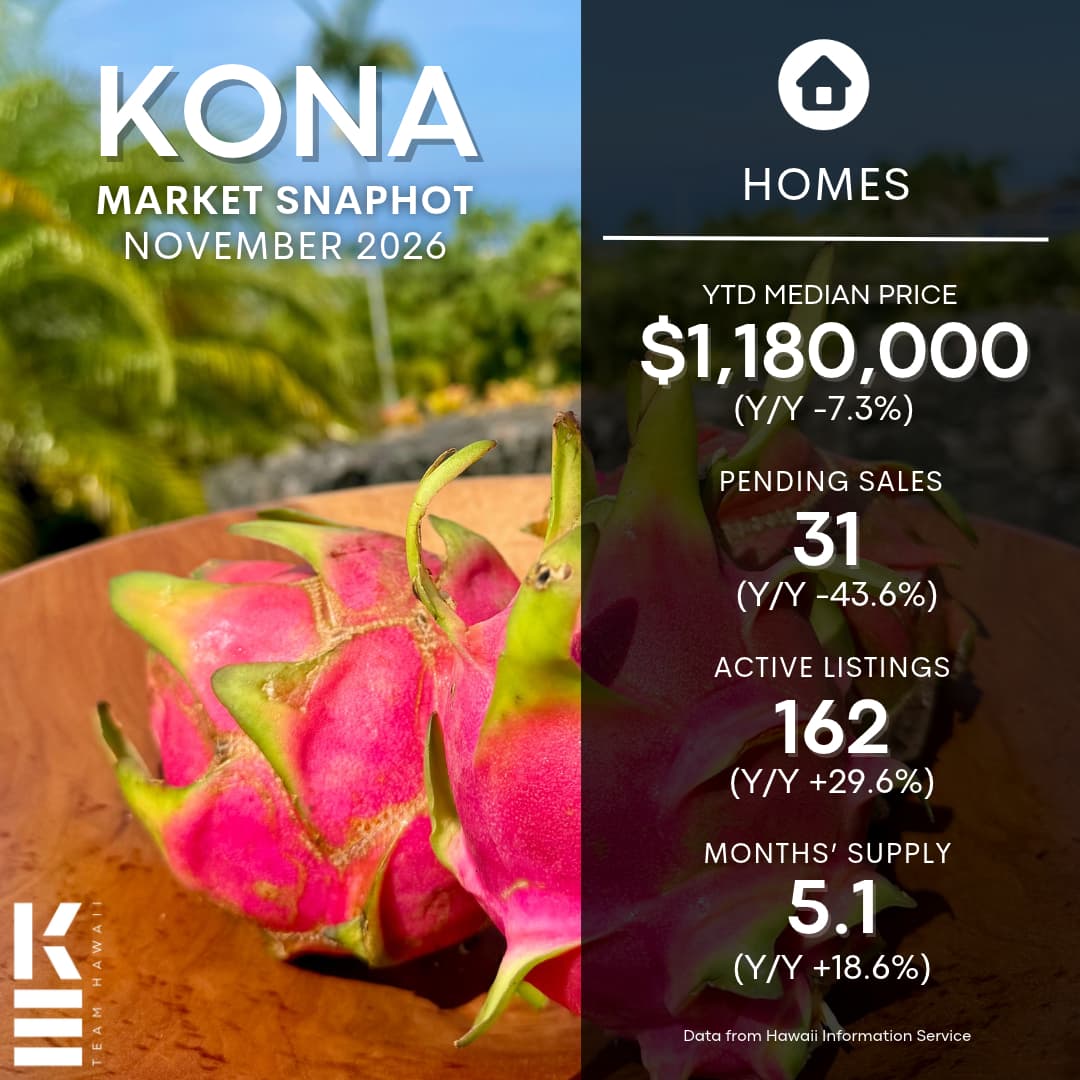
Meanwhile, pending contracts dropped to 31, a decline of 43.6% year over year. That's a significant decrease in current buyer activity.
However, year-to-date closed sales tell a different story. Through October, 317 single-family homes sold, actually 1.9% more than during the same period last year.
The median sold price declined 7.3% to $1.18 million, while the median sold price per square foot dropped 6.1% to $681.
With 5.1 months of inventory, the overall single-family home market remains relatively balanced.
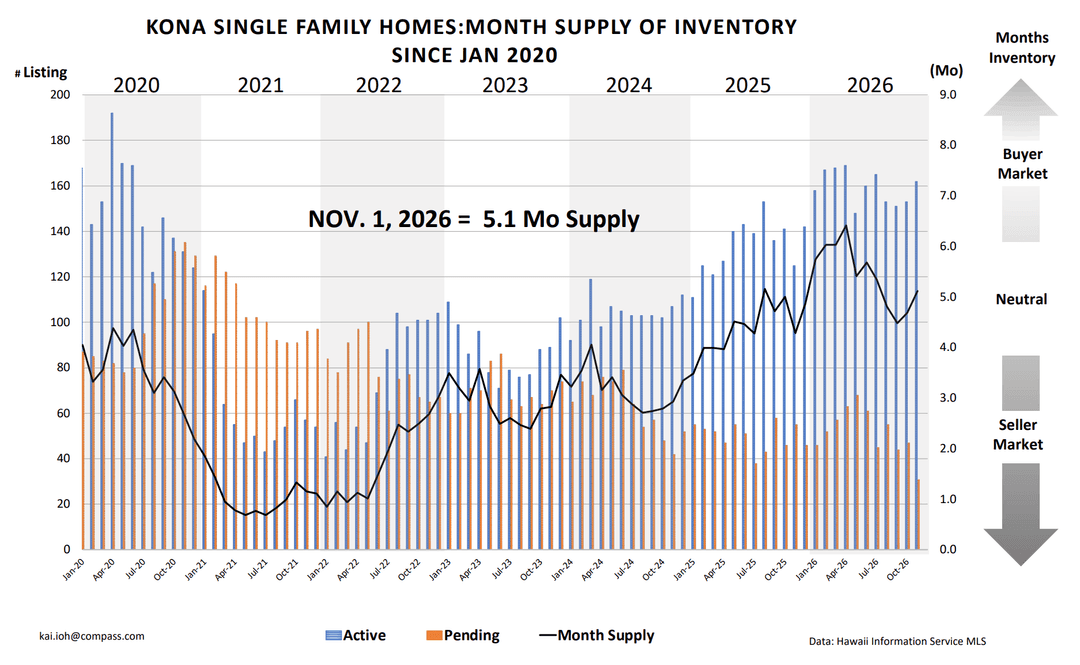
The difference between pending and closed sales is particularly important.
Closed sales reflect purchasing decisions made earlier, while pending contracts provide a more immediate picture of current demand.
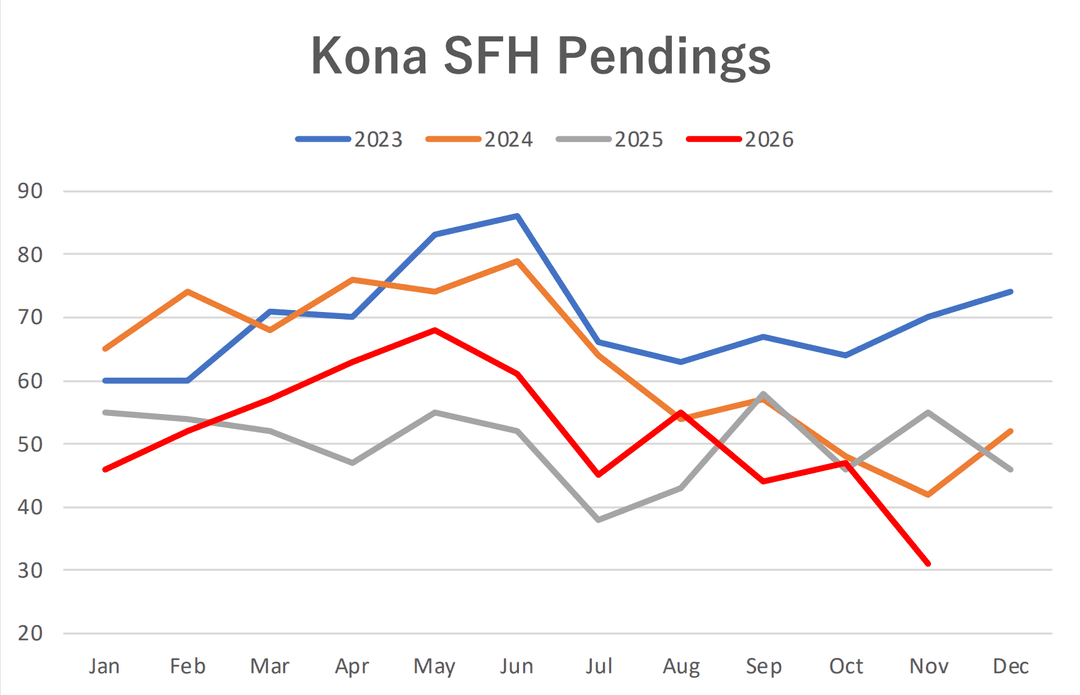
In other words, the market's recent performance has been stronger than its current pipeline of future transactions.
A Significant Difference Between Price Segments
The contrast becomes especially noticeable when we examine specific price ranges.
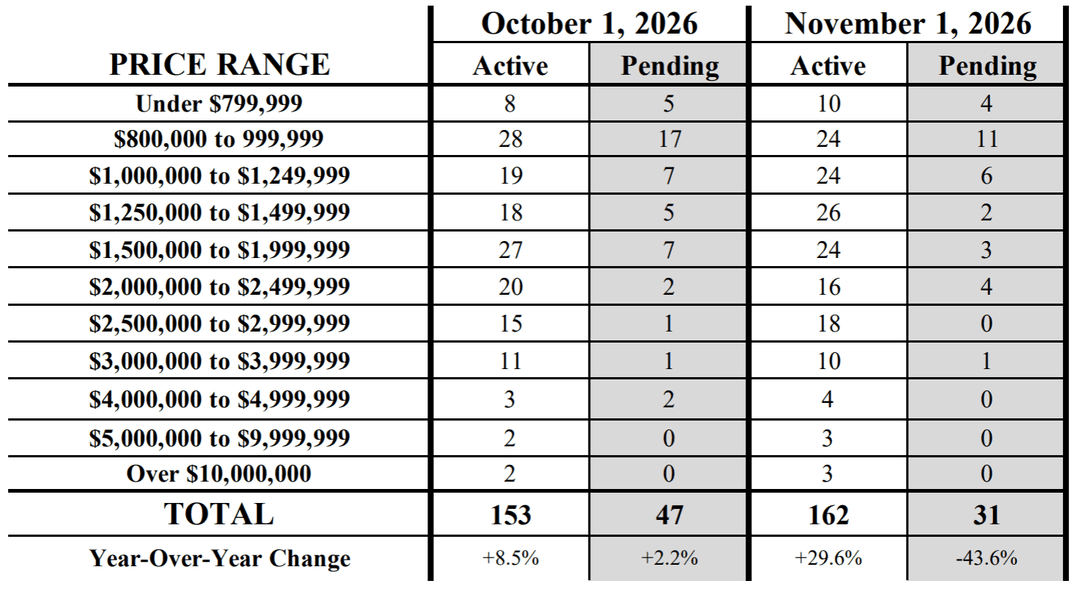
Although these figures represent a single point in time, they clearly demonstrate that buyer activity is not evenly distributed. Regardless, a home needs to be priced appropriately for its price bracket.
Kona Condominiums: A More Significant Slowdown
The condominium market is experiencing considerably greater pressure.
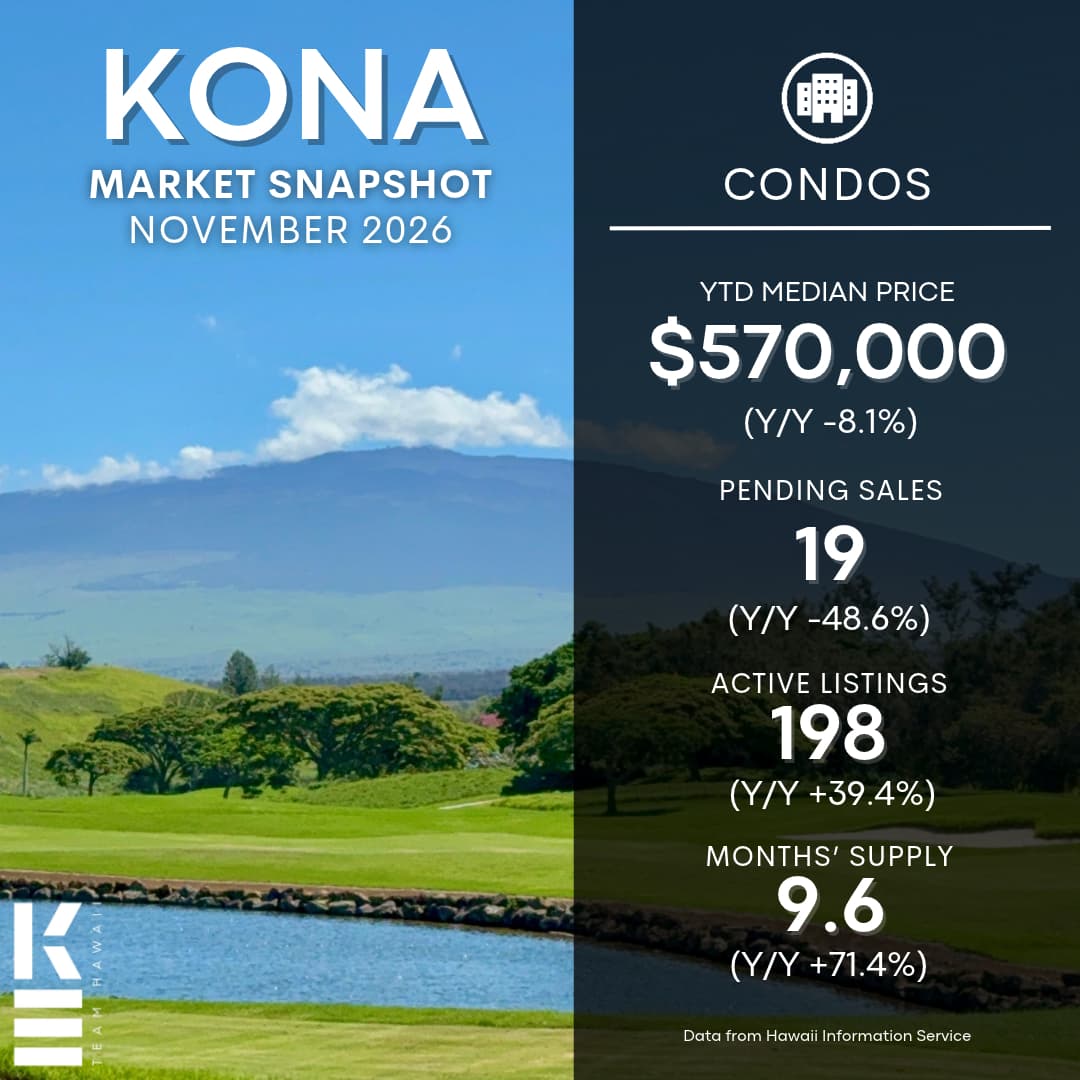
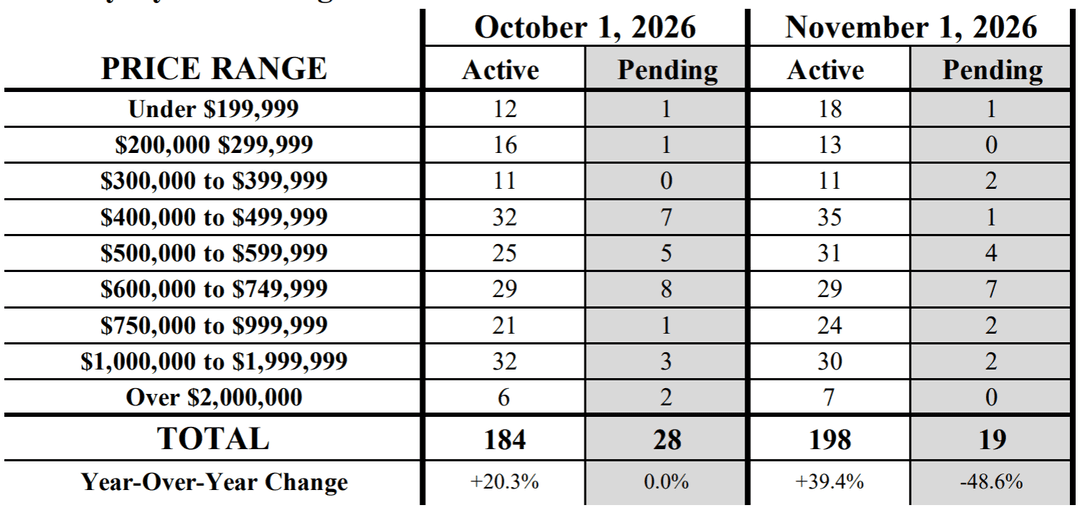
As of November 1, active listings increased 39.4% year over year to 198 properties. Pending contracts declined nearly 49%, leaving just 19 condominiums under contract.
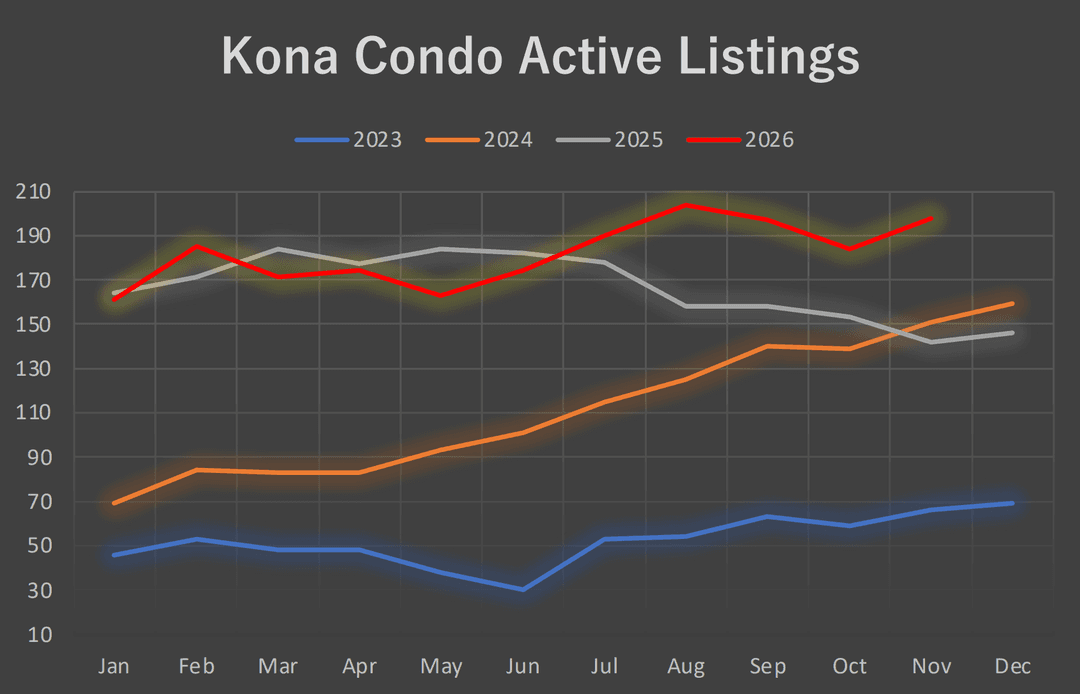
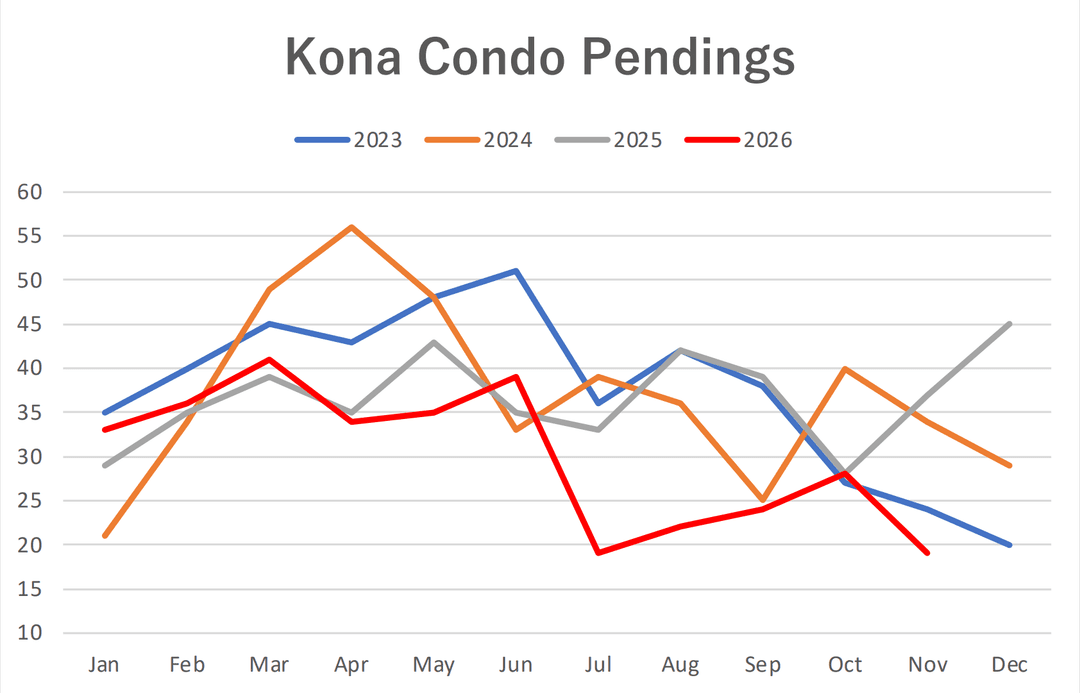
Months of inventory reached 9.6, firmly placing the overall condominium market in buyer-favorable territory.
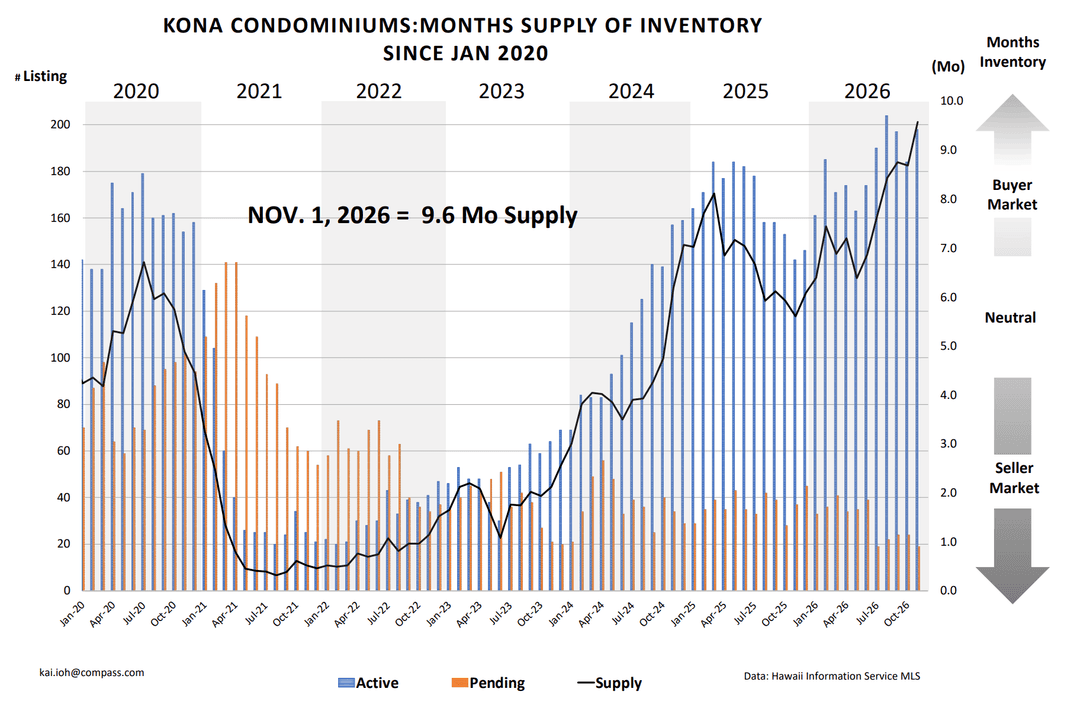
The year-to-date median sold price declined 8.1% to $570,000. These figures suggest that condominium buyers are becoming more selective while sellers face increasing competition.
A Sharp Decline in the $400,000 to $500,000 Segment
One particular price range caught my attention.
In the $400,000 to $500,000 condominium market, pending contracts declined from seven on October 1 to just one on November 1.
That's an 85.7% decline in one month.
Of course, we're dealing with relatively small numbers, so even a handful of transactions can create a dramatic percentage change. Still, the slowdown is noteworthy. It reinforces the importance of monitoring pending activity rather than relying only on completed sales.
For condominium sellers, realistic pricing and understanding competing listings have become increasingly important.
Single-Family Homes vs. Condominiums: The Changing Value Equation
When buyers consider HOA fees, insurance, special assessments, and other condominium ownership expenses, single-family homes may begin looking more attractive.
However, the comparison is not quite that simple.
Condominiums may offer convenient locations, shared amenities, and less responsibility for day-to-day exterior maintenance. Single-family homes provide greater independence but also place more maintenance and repair responsibilities directly on the owner.
For second-home buyers, particularly those who spend only part of the year in Hawai‘i, these trade-offs deserve careful consideration.
Leasehold vs. Fee-Simple Condominiums
Another important factor is ownership structure.
Of Kona's 198 active condominium listings, 31 are leasehold properties. Their median asking price is approximately $198,000, compared with $625,000 for fee-simple condominiums. These are fundamentally different types of ownership.
Leasehold properties can appear significantly less expensive, but buyers must consider lease rent, remaining lease duration, potential rent adjustments, and financing limitations.
This is particularly important for mainland and international buyers who may be unfamiliar with Hawai‘i's leasehold market. A lower asking price does not necessarily mean a lower long-term ownership cost. For meaningful condominium price comparisons, leasehold and fee-simple properties should be evaluated separately.
The Perfect Storm: Multiple Factors Behind Buyer Hesitation
I don't believe any single factor explains the slowdown we're seeing as November begins.
Instead, several uncertainties may have converged, encouraging buyers to delay major purchasing decisions.
Mortgage Rates and Financing Costs
Interest rates went up this fall. Elevated borrowing costs continue to affect affordability, particularly for buyers relying on financing.
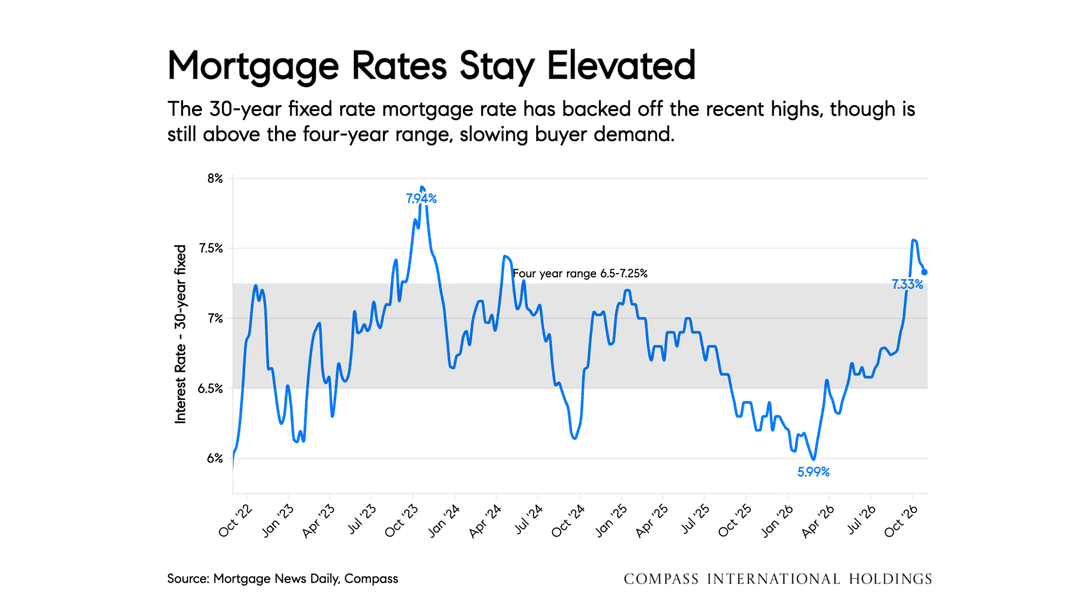
For buyers considering a second residence, financing costs may also influence how much they are comfortable committing to a property they will use only part of the year.
Hurricane Season and Travel Concerns
We had an unusual number of hurricanes this year. I have never experienced so many hurricanes, and they are due to a super El Niño. Hawai‘i's hurricane season continues through November.
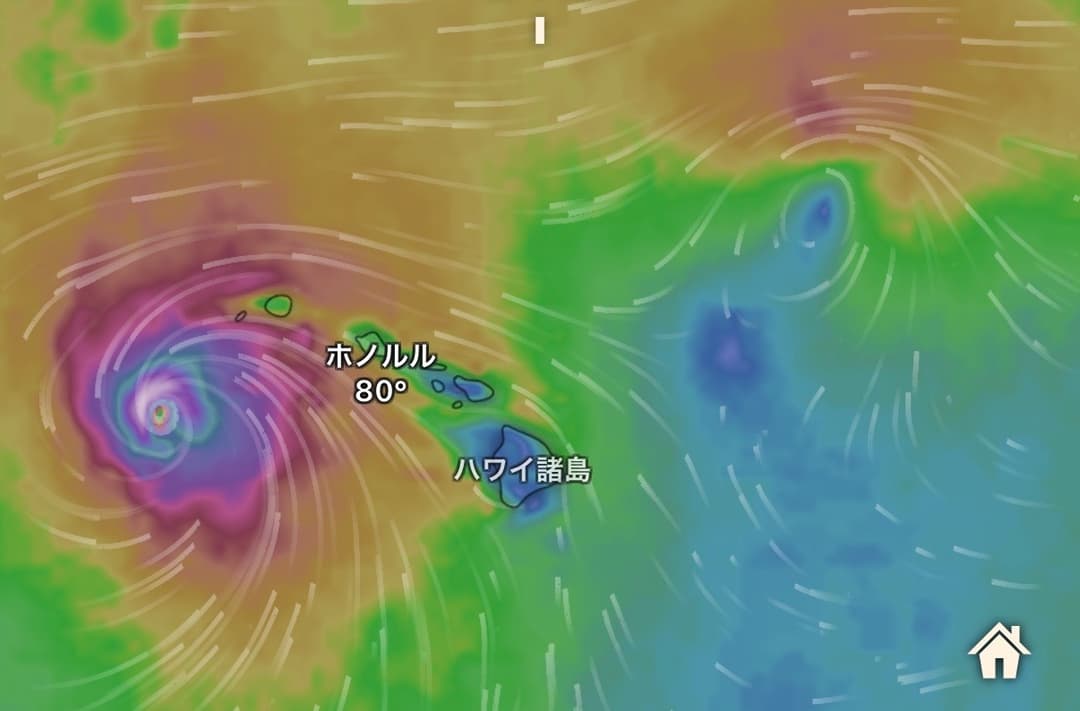
Storm concerns during late summer and fall may have influenced travel plans and second-home purchasing decisions. I know some tourists left the Hawaiian Islands early to avoid hurricanes. Even though Kona is protected by 14000 ft mountains, it can be unsettling if you are not used to it.
The direct impact of hurricane concerns on October's sales activity cannot be measured from MLS statistics alone.
Kona's Seasonal Market Patterns
October is traditionally one of Kona's quieter periods, before mainland visitors and seasonal residents return for winter. Unlike many mainland housing markets, Kona's second-home and resort sectors are influenced by seasonal travel patterns.
Winter brings increased visitor activity, property showings, and interest in resort communities.
Midterm Elections and Economic Uncertainty
The November 2026 midterm elections may also have contributed to buyer hesitation.
Political and economic uncertainty can influence confidence, particularly among buyers making significant financial commitments. Some purchasers may have preferred to wait until after the election before making decisions.

Although this is a reasonable possibility, we cannot establish a direct relationship between election uncertainty and Kona's pending sales decline. Now that the election is over, we shall see.
Rising Property Ownership Costs
Insurance premiums, HOA fees, maintenance expenses, and inflation continue to influence buyers' overall budgets.
For condominium buyers, rising HOA expenses and potential special assessments have significantly affected long-term ownership costs. For single-family home buyers, insurance, landscaping, repairs, and ongoing property management also require careful budgeting.
Together, these factors may help explain the cautious behavior we're observing. Whether they represent a temporary hesitation or a more lasting adjustment remains uncertain.
Kona's Ultra-Luxury Resort Market: A Different Set of Priorities
While the broader residential market has slowed, we continue to observe strong activity in Kona's ultra-luxury resort sector. Through our team's involvement in this market, we see how differently high-end buyers often approach their decisions.
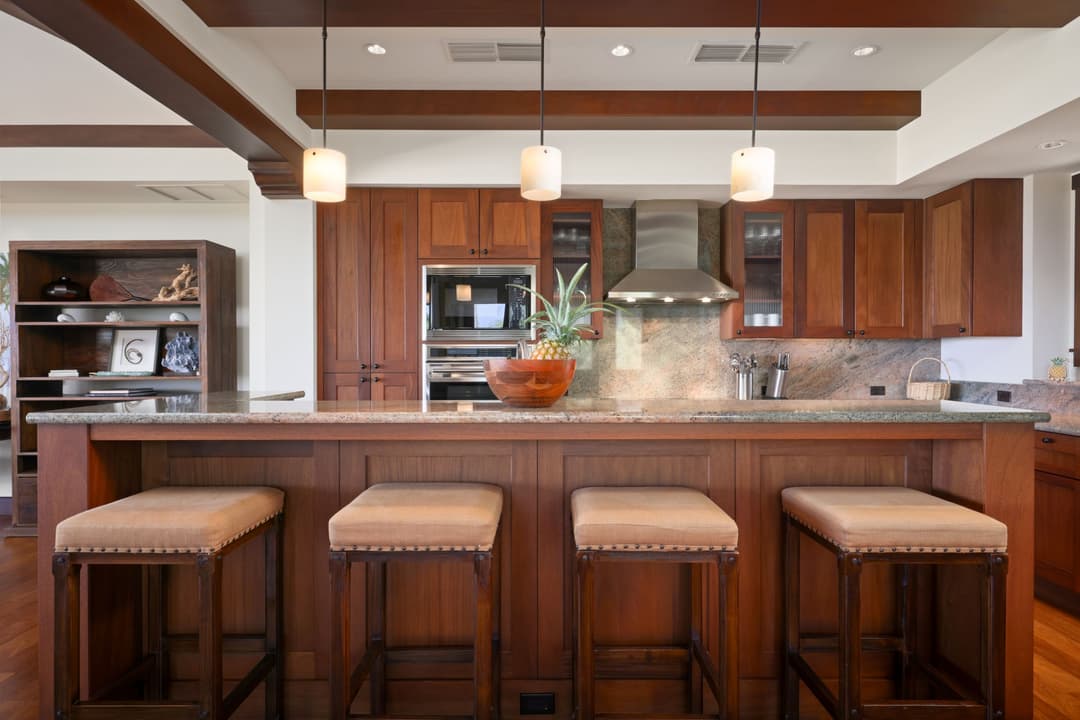
In private communities such as Kūkiʻo, Hualālai, and Kohanaiki, buyers are frequently motivated by lifestyle, privacy, limited inventory, and long-term family ownership. For many, purchasing a Hawai‘i residence is about much more than financial returns. It's about spending quality time with family, enjoying golf and ocean activities, and having a place to return to for generations. These priorities can influence how buyers respond to changing economic conditions.
Some ultra-high-net-worth purchasers are also less dependent on conventional mortgage financing, which may reduce the direct impact of interest rates on their decisions.
However, that does not make the ultra-luxury market immune to economic conditions. High-end buyers still evaluate value, alternatives, financial markets, and the long-term suitability of a property.
Winter 2026–2027: A Test of Buyer Demand
As November progresses, several uncertainties may begin to ease.
The midterm elections are behind us. Hurricane season is approaching its end. And Kona is entering its traditionally busier winter visitor season.
I remain cautiously optimistic. Over the coming months, I'll be watching three indicators particularly closely.
Pending Sales
Pending sales are among the most immediate indicators of buyer activity.
Closed sales tell us what happened in the past. Pending sales give us a clearer picture of current purchasing decisions. An improvement during winter would be an encouraging sign that buyers are returning.
Active Inventory
If available inventory continues increasing while pending sales remain weak, sellers may face greater competition.
This could lead to longer marketing periods and additional pricing adjustments, particularly in segments where supply already exceeds demand.
Pricing by Property Type and Neighborhood
Overall median prices can be misleading when the mix of properties sold changes.
Price trends should be evaluated by location, property condition, ownership type, and relevant comparable transactions. This is especially important in Kona, where conventional residential properties and luxury resort homes operate under different market conditions.
If pending sales improve while inventory stabilizes, the market may begin moving toward a healthier balance.
If demand remains weak, the adjustment could continue beyond winter.
For now, both possibilities remain open.
Final Thoughts: Focus on What We Can Control
There are things we can control and things we cannot.
We cannot control interest rates, hurricanes, elections, inflation, or the broader economy.
But we can control how we respond.
Sellers can focus on realistic pricing and effective marketing. Buyers can prepare financially, carefully evaluate opportunities, and make decisions based on their long-term goals.
As Kona enters the winter season, I'm cautiously optimistic that some of the uncertainty affecting our market may begin to ease. Whether that translates into stronger buyer demand remains to be seen.
For now, one thing is clear: understanding the differences between Kona's property segments is more important than ever.
And that will remain true regardless of where the market goes next.
Kai Ioh
KE Team Hawaii | Big Island Real Estate
Market data supplied by KE Team Hawaii, based on North Kona MLS statistics through October 2026. Active and pending listing counts reflect November 1, 2026. Statistics are subject to MLS revisions.
Frequently Asked Questions About the November 2026 Kona Real Estate Market
1. Kona Real Estate Market Conditions in November 2026
North Kona enters November with weaker pending sales, increased inventory, and lower year-to-date median selling prices. Pending sales declined 43.6% year over year for single-family homes and nearly 49% for condominiums. However, year-to-date single-family home sales remain relatively stable, increasing 1.9%.
2. Buyer's Market vs. Seller's Market in Kona
Conditions differ by property type. North Kona single-family homes have 5.1 months of inventory, indicating a relatively balanced market. Condominiums have 9.6 months of inventory, suggesting more buyer-favorable conditions. Specific neighborhoods and price ranges may experience significantly different levels of demand.
3. Kona Condominium Market Slowdown
Condominium inventory increased 39.4% year over year, while pending sales declined nearly 49%. Rising ownership expenses, including HOA fees and insurance costs, may influence buyer decisions. However, MLS data alone cannot determine the precise causes of weaker demand.
4. North Kona Home Prices in 2026
Through October 2026, the year-to-date median sold price for single-family homes declined 7.3% to $1.18 million. The condominium median declined 8.1% to $570,000. Median price changes reflect the mix of properties sold and do not necessarily represent an equivalent decline in individual property values.
5. Winter Buying Season in Kona
Winter traditionally brings more seasonal residents and mainland visitors to Kona. This can increase property inquiries and showings, especially in second-home and resort communities. However, stronger visitor activity does not guarantee more closed transactions. Pending sales will provide an important indication of whether buyer demand is recovering.
6. Leasehold and Fee-Simple Condominiums in Kona
Fee-simple ownership generally includes a land ownership interest, while leasehold ownership provides rights under a land lease for a specified period. Leasehold properties often have lower asking prices but may involve lease rent, expiration dates, and financing restrictions. Both ownership structures should be evaluated separately when comparing condominium values.
7. Kona's Ultra-Luxury Resort Real Estate Market
Private resort communities such as Kūkiʻo, Hualālai, and Kohanaiki attract buyers who often prioritize lifestyle, privacy, and long-term family ownership. Some purchasers rely less on mortgage financing. These factors can create different purchasing patterns from the conventional residential market, although luxury properties remain sensitive to broader economic conditions.
8. Months of Inventory in Kona Real Estate
Months of inventory estimates how long the current supply of listed properties would take to sell at the recent sales pace, assuming no new listings. As of November 1, 2026, North Kona had 5.1 months of single-family home inventory and 9.6 months of condominium inventory. Higher inventory generally indicates greater buyer choice.
9. Pending Sales as a Market Indicator
Pending sales reflect properties currently under contract and provide a more immediate view of buyer demand than closed sales. Declining pending activity may indicate slowing sales in the months ahead. However, some escrows do not close, and small transaction counts can create substantial percentage changes.
10. Key Market Trends to Watch During Winter 2026–2027
The most important indicators are pending sales, active inventory, and pricing trends within individual property segments. An increase in pending sales could suggest rising demand. Continued inventory growth without stronger contract activity could indicate a longer market adjustment. The overall market should be evaluated separately from condominium and ultra-luxury resort segments.