
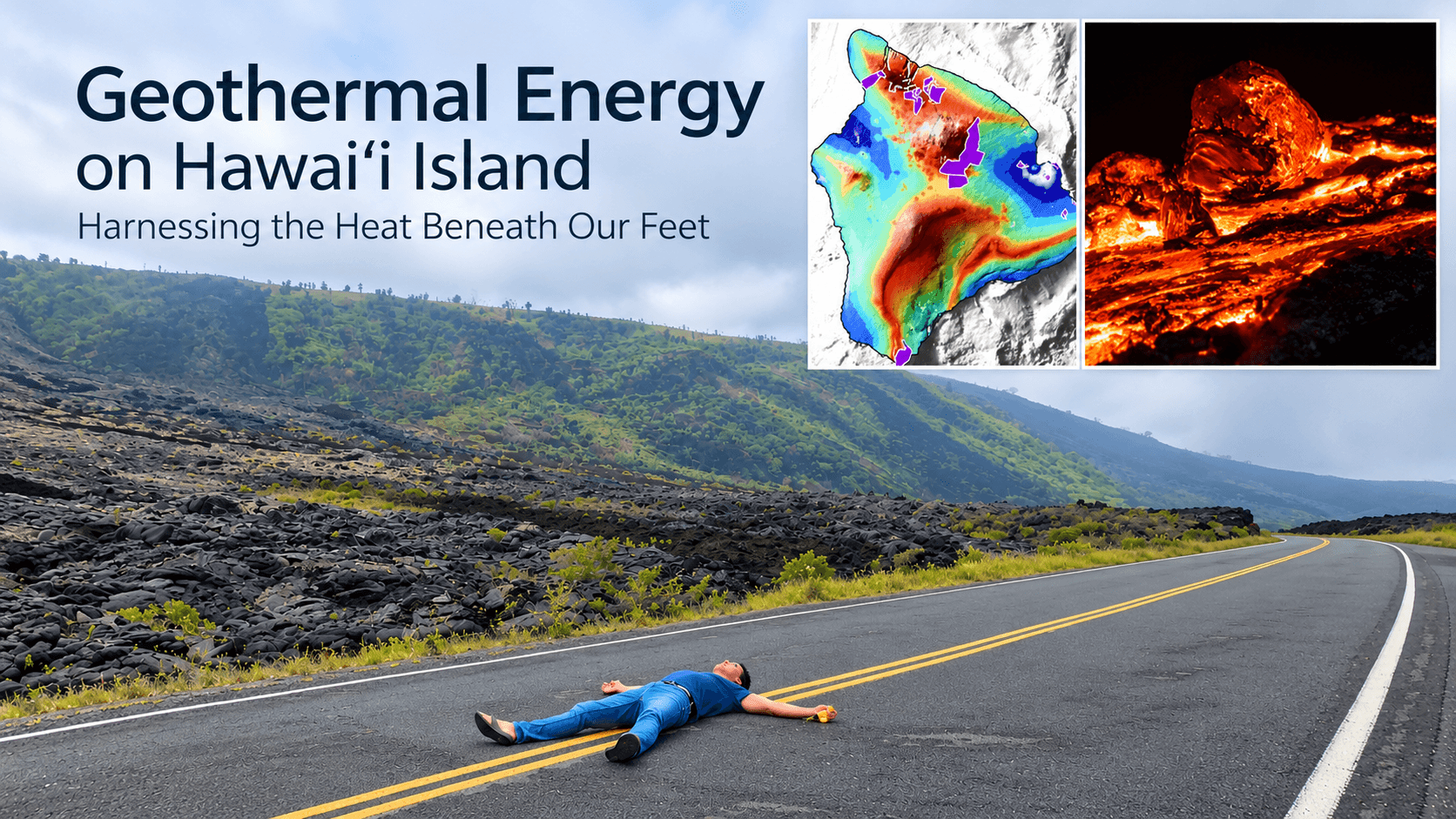
By Kai Ioh and KE TEAM Hawaii
November 2026
Kai Ioh is a luxury real estate advisor based in Kona, Hawai‘i, specializing in second home, resort, and ultra-high-net-worth markets across the Big Island.
I Melted My Shoes Twice at Kīlauea!
When I first moved to Hawaiʻi, I worked as a lava tour guide at Kīlauea Volcano on the Big Island.
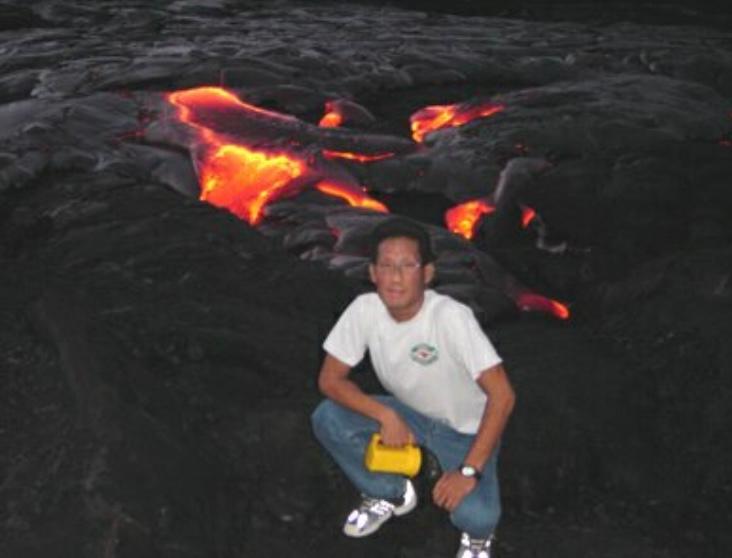
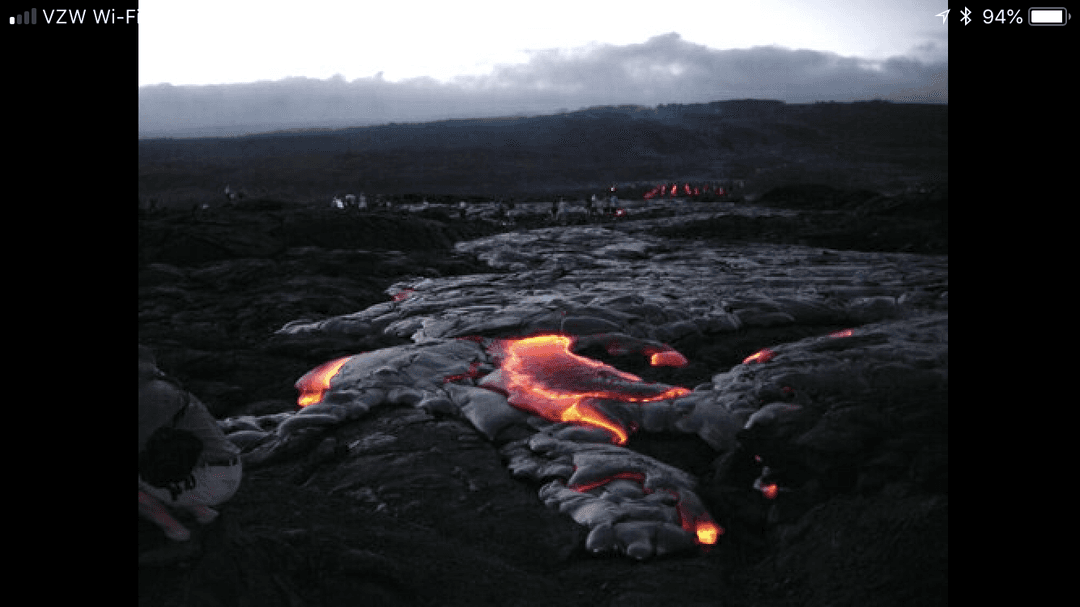
I had the opportunity to witness the incredible power of nature up close. And I mean really close. I actually melted my shoes twice while guiding lava tours!
That experience gave me a deep appreciation for just how much heat and energy exist beneath our islands.
Coming from Japan, a country famous for its natural hot springs, or onsen, I have often wondered why we don't make more use of Hawaiʻi's geothermal heat.
I used to imagine a natural Hawaiian onsen, a lava-heated sauna, or perhaps even a restaurant serving steaks cooked on hot lava stones. Maybe we could even find ways to use geothermal heat to help manage some of our waste.
Of course, not every idea is practical, and I understand that some may sound disrespectful to Hawaiian culture. There are cultural and environmental considerations that make Hawaiʻi quite different from Japan.
But the larger question has stayed with me.
Could we make better use of the incredible natural energy beneath our feet?
DHHL's New Geothermal Energy Exploration Proposal
A recent article in the Hawaii Tribune-Herald, published October 26, 2026, caught my attention.
The Department of Hawaiian Home Lands (DHHL) is seeking $3.5 million in state funding to further investigate geothermal energy opportunities on Hawaiian Home Lands.
The idea is to explore whether underground heat could generate renewable electricity, potentially lower energy costs for Hawaiian homesteaders, and create revenue to support much-needed infrastructure and housing development.
According to the article, DHHL has identified several potential areas for exploration on Hawaiʻi Island, including:
Humuʻula
Puʻukapu
Kawaihae
South Point
Upper Piʻihonua
These are still early investigations. No new geothermal power plants have been approved as part of this proposal.
The distinction is important. Identifying a potentially suitable area does not mean a commercially viable geothermal resource has been confirmed. Further geological studies, environmental review, and community consultation would be necessary before any development could move forward.
For an island where electricity and housing costs are significant concerns, I think this is a conversation worth having.
Living and working in Kona and along the Kohala Coast, I see how infrastructure and energy costs affect everyday island life. While geothermal development may seem unrelated to real estate at first, reliable energy and infrastructure are important parts of Hawaiʻi's long-term housing and community development.
Geothermal Energy and Its Potential in Hawaiʻi
Geothermal energy is simply heat from beneath the Earth's surface. In suitable locations, underground hot water or steam can be used to generate electricity. Geothermal heat can also be used directly for hot water, heating, and certain commercial or industrial purposes.
Hawaiʻi Island's volcanic geology creates opportunities to explore this resource, although not every volcanic area is suitable for geothermal development.
One significant advantage of geothermal electricity is that it can provide continuous power when a suitable underground resource is available.
Solar power depends on sunlight, and wind power depends on wind conditions. Geothermal electricity can operate day and night, providing a steady source of renewable energy.
Hawaiʻi already has an operating geothermal power facility in Puna, so this is not an entirely new concept for our islands.
Expanding geothermal energy, however, is more complicated than simply drilling into volcanic ground. Suitable underground resources must be identified, and the electricity must be economically delivered to the communities that need it.
Geothermal Energy Around the World
Several countries have found ways to use geothermal energy, and their experiences offer interesting comparisons for Hawaiʻi.
Japan: Hot Springs and Geothermal Power
In Japan, geothermal heat is probably best known through onsen, our traditional natural hot springs.
Hot springs are part of everyday life, recreation, and tourism. Japan also uses geothermal resources to generate electricity.
However, geothermal development can raise concerns about environmental impacts and existing hot spring resources. Even in a country where geothermal heat is widely appreciated, there are competing interests to consider.
Having grown up in Japan, I find this comparison particularly interesting. The same underground heat that supports an important part of Japanese culture can also be used to produce electricity.
Iceland: Geothermal Energy in Everyday Life
Iceland is one of the world's best-known examples of geothermal energy use.
Geothermal resources are widely used to heat homes, provide hot water, and generate electricity.
The country's experience demonstrates that geothermal energy can serve everyday infrastructure needs beyond electricity production.
Of course, Iceland's climate, geography, and infrastructure are different from Hawaiʻi's. We certainly don't need the same amount of home heating in Kona!
New Zealand: Geothermal Development and Māori Communities
New Zealand is another volcanic island nation that generates electricity from geothermal resources.
Some geothermal projects involve Māori landowners and communities, bringing Indigenous land relationships, cultural values, and economic participation into the development process.
This is particularly relevant to Hawaiʻi.
Geothermal energy is not simply an engineering or economic issue. Decisions about land use and natural resources can also involve cultural responsibilities and community interests.
Indonesia and the Philippines: Island-Based Geothermal Electricity
Indonesia and the Philippines, both located along the Pacific Ring of Fire, have developed significant geothermal electricity generation.
Their experiences demonstrate that geothermal energy can contribute to island energy systems where geological conditions are suitable.
However, every location presents its own challenges involving exploration costs, infrastructure, and environmental protection.
Respecting Pele and Hawaiian Culture
This is where the conversation becomes more complicated.
Just as Maunakea is sacred to many Native Hawaiians, Kīlauea holds deep cultural and spiritual significance. In Hawaiian traditions, Kīlauea is closely associated with Pele, the Hawaiian volcano goddess.
The land is not simply a resource to be developed.
Some Native Hawaiian beneficiaries and community members have expressed concerns that geothermal drilling could disturb sacred places, affect the environment, or fail to deliver promised benefits to their communities.
I believe those concerns deserve serious consideration. I have a great deal of respect for this place.
At the same time, I recognize that my personal connection to Kīlauea is different from the cultural and ancestral relationships Native Hawaiians have with the land.
Geothermal development also comes with practical challenges, including high exploration costs, potential environmental impacts, and the difficulty of identifying suitable locations.
Renewable energy does not automatically mean development is free of environmental or cultural consequences.
If geothermal exploration moves forward, it should involve meaningful community participation, appropriate environmental safeguards, and respect for Hawaiian cultural values.
Geothermal Energy, Electricity Costs, and Housing Development
One aspect of the DHHL proposal I find particularly interesting is the potential connection between energy development and housing.
Hawaiʻi faces substantial infrastructure and construction costs. These challenges affect local families, Hawaiian homesteaders, and communities throughout the Big Island.
Geothermal projects could potentially provide two forms of economic benefit.
First, electricity generated from geothermal resources could contribute to a stable renewable energy supply. Depending on project economics and electricity agreements, this might help reduce certain energy costs.
Second, revenue from geothermal development could potentially support infrastructure and housing development on Hawaiian Home Lands.
Finding Hawaiʻi's Own Approach to Geothermal Energy
I'm not an energy expert, and I don't pretend to have all the answers.
Still, after seeing the power of Kīlauea firsthand, including sacrificing two pairs of shoes, I can't help wondering what possibilities exist beneath our islands.
Hawaiʻi needs its own approach, reflecting our unique geography, culture, environment, and community needs.
The question isn't simply whether we can harness the Earth's heat. It's whether we can do so responsibly, with lasting benefits for the people of Hawaiʻi.
And personally, I think that is a conversation worth having.
Source: West Hawaii Today