
When we hear condo lending guidelines are getting “tighter,” what does that actually mean? Is it affecting the market? We saw a drop in condo demand this summer, coinciding with the guideline change.
That was the question Emil and I recently asked Anthony “Tony” Balsamo, VP of Mortgage Lending with OriginPoint.
One advantage we have at our Compass Kona office is very simple: when Emil and I have a complicated financing question, we have a loan officer we can talk directly. Financing is becoming an increasingly important part of the real estate conversation, especially with condominiums, so having someone nearby who can help us understand what lenders are seeing has been very useful.
Tony will be sharing regular lending updates with us, and I thought his first condo update was worth passing along.
First, Meet Tony
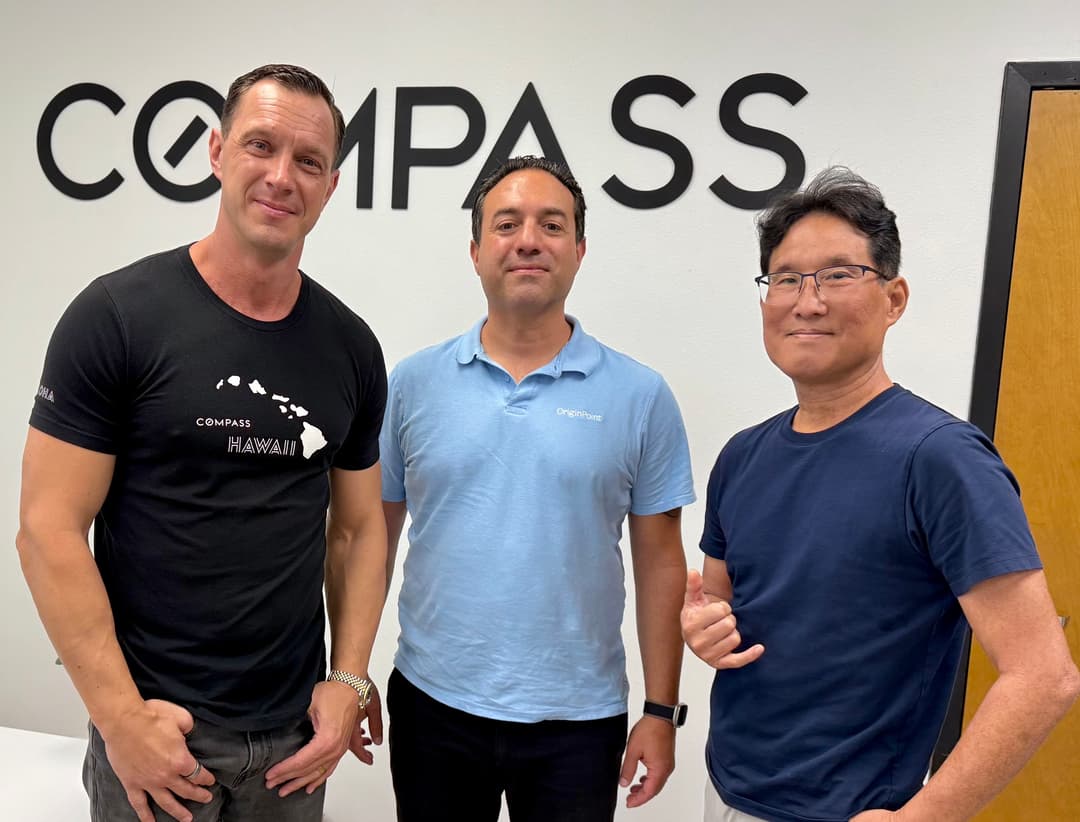
Tony lives in Waimea with his wife, their three children, and four standard poodles. Yes, four.
He is a first-generation Italian-American. His parents came from Sicily to San Diego in the early 1970s with very little and eventually built their own version of the American dream, including an Italian restaurant where the entire family worked.
Tony started waiting tables at age 13, often until 10 or 11 at night on school days. He credits those years with developing his work ethic. I imagine they also explain his appreciation for good Italian food.
Last year, Tony and his family moved to the Big Island in search of a warmer climate for their son's health. It has become a meaningful move for the entire family.
As Tony likes to say, he comes from island people and somehow ended up back on an island.
Professionally, he has been in mortgage lending since 2002 and added wealth-management lending experience in 2016. What I appreciate about Tony is that he does not approach lending as a sales pitch. His philosophy is to understand the client's situation first and then look for the lending solution that genuinely makes sense.
OriginPoint is a mortgage joint venture between Compass and Guaranteed Rate, with Compass holding a 49.9% interest.
So, What Does “Tighter Condo Lending” Actually Mean?
This was really what Emil and I wanted Tony to explain.
When buying a single-family home, we tend to think of mortgage underwriting as being about the buyer: income, credit, assets, debt and down payment.
With a condominium, there is another layer.
The lender is also reviewing the condo project itself.
A buyer can have excellent credit, substantial assets and a strong down payment, but financing can still become complicated if the condominium project does not meet the lender's requirements. Starting August 6th, all conventional condominium financing underwriting must include full document disclosure. This was not the case before. Only partial review was required before.
During escrow, sellers are required to submit condominium-related documents under Section M of the purchase contract. There are quite a few documents from declaration, budget, minutes, financials to litigation disclosure. It is challenging to read all in limited time.
So we asked Tony to go directly to OriginPoint's Divisional Underwriting Manager and ask a simple question:
What are the top things underwriters look at when reviewing condo documents?
Their answer came down to three major areas.
1. Is There Something About the Project That Makes It Ineligible?
The first question is whether the project meets agency standards.
According to Tony's condo team, some of the issues underwriters examine include:
Commercial space exceeding applicable limits
Condotel or hotel-like operations
High concentration of ownership by a single entity
Significant litigation
Pending critical repairs or major deferred maintenance
For Fannie Mae, for example, commercial space generally cannot exceed 35% under its project standards, and single-entity ownership can also become an issue depending on the project size. Projects needing critical repairs or with significant deferred maintenance may also be ineligible.
2. Does the HOA Insurance Meet Lending Standards?
This one is particularly important in Hawaii due to the recent condo insurance crisis.
It is not enough for an AOAO to say, “Yes, we have insurance.” The lender needs to determine whether the master insurance coverage satisfies its requirements.
Fannie Mae says insufficient master property insurance and critical repair issues are currently among the leading reasons condo projects receive an ineligible status.
With insurance costs rising throughout Hawaii, this is something buyers and sellers should pay attention to.
Higher insurance expenses can also affect association budgets, monthly maintenance fees and sometimes special assessments.
3. Has the Project Already Been Flagged?
Tony's team also checks project information against Fannie Mae, Freddie Mac, FHA and VA resources.
Fannie Mae, for example, maintains Condo Project Manager, or CPM, which lenders use to review condo project eligibility and identify project restrictions or issues.
This is where doing the work early can make a big difference.
Imagine finding the right condo in Kona. The view is perfect. The price works. You are pre-approved and your offer is accepted.
Then, two weeks into escrow, the lender discovers an unresolved insurance issue, major repair concern or project eligibility problem.
Suddenly the financing conversation has changed completely.
That is what we want to avoid.
What Is a Non-Warrantable Condo?
Tony also shared information with us about condo projects in the Kona 96740 area that his team currently considers non-warrantable.
“Non-warrantable” does not necessarily mean a condo cannot be financed.
It generally means the project does not currently meet the requirements for certain agency-backed conventional financing. According to Tony, OriginPoint has investors offering non-QM financing for some non-warrantable condominiums, although these options will typically come with a premium in rate or pricing.
I do not think it makes sense to publish a permanent list of “good” or “bad” condo projects because these situations can change.
Insurance changes. Litigation gets resolved. Repairs are completed. HOA budgets change.
It is much more useful to check the specific project when you are considering buying or selling.
Another Important Change Is Coming in 2027
For applicable Fannie Mae and Freddie Mac condo project reviews, the minimum replacement-reserve allocation is scheduled to increase from 10% to 15% of annual budgeted assessment income for applications beginning January 4, 2027.
That may sound like a small technical change, but it could matter for some Hawaii condo associations.
An HOA that does not meet the applicable requirements may need to adjust its budget, increase reserve contributions, rely on an acceptable reserve study, or take other steps to satisfy lending standards.
Fannie Mae has also retired its former Limited Review process for loan applications dated August 3, 2026 or later, another reason condo documentation is receiving more attention today.
What Can Big Island Buyers and Sellers Do?
Tony's advice is straightforward: start earlier.
For sellers and listing agents, it may make sense to investigate the condominium project before putting a property on the market. Tony recommends submitting the project to OriginPoint's Condo Project Review Team upfront when appropriate.
For buyers, Emil and I recommend sharing the names of condos you are seriously considering with us early in the search.
Tony's team can review the project and look for possible financing issues before we get too far into a transaction.
OriginPoint has also added a condo-focused underwriter and processor, with the goal of reducing project-review delays. Tony estimates that some other lenders are currently anticipating an additional 15 to 45 days in certain cases, depending heavily on HOA response times and lender processing, while his team is working toward keeping additional review time closer to 10 to 15 days.
Those are OriginPoint's estimates, of course, and every transaction is different.
Our Takeaway: Ask About the Condo Early
For Emil and me, this was the biggest takeaway from our conversation with Tony. The August 6th change to the condo loan guidelines has affected a couple of our listings.
When helping someone purchase a condo in Kona, Keauhou, Waikoloa Beach Resort, Mauna Lani or elsewhere along the Kohala Coast, we cannot look only at the unit.
We need to understand the project.
The HOA's finances, insurance, reserves, repairs and project eligibility can all become part of the financing conversation.
That does not mean buyers should be afraid of condos. Far from it. Condominiums remain a wonderful way to enjoy the Big Island lifestyle, particularly for owners who value resort amenities and the ability to lock the door and travel.
It simply means that early due diligence, realistic expectations and good communication are becoming more important.
That is also why Emil and I are happy to have Tony right here in our Kona office.
If you are considering purchasing or selling a Big Island condo and have questions about how the new financing guidelines may affect a specific property, please reach out. We are happy to investigate it with Tony and his condo team before it becomes a surprise later in the transaction.
And of course, you are welcome to reach out to Tony on your own. Talk story about condo and Italian food. And of course, the poodles.
Anthony "Tony" Balsamo NMLS #680367
VP of Mortgage Lending, Origin Point NMLS ID 2185899
(206) 953-6102
anthony.Balsamo@originpoint.com
Frequently Asked Questions
Why can condo financing be more complicated than financing a house in Kona?
A condominium loan may involve two separate reviews: the borrower and the condominium project. Even when the buyer has strong income, credit and assets, the lender may still need to evaluate the project’s insurance, finances, reserves, repairs, ownership structure and other eligibility factors.
What does “warrantable condo” mean?
A warrantable condo generally refers to a condominium project that satisfies the requirements of the conventional financing program being used. The exact requirements vary by lender and loan program, so a project should be reviewed in the context of the buyer’s specific financing.
Can you finance a non-warrantable condo on the Big Island?
Sometimes. A non-warrantable project may not qualify for certain conventional agency-backed loans, but alternative financing, including some non-QM programs, may be available. Rates, down-payment requirements and underwriting standards can differ from traditional conventional financing.
Can a highly qualified buyer still have a condo loan declined?
Yes. A buyer can have excellent credit, substantial assets and a large down payment while the condominium project itself presents an eligibility problem. Condo financing therefore involves more than reviewing the financial strength of the individual borrower.
Why is HOA insurance important when financing a condo in Hawai‘i?
The lender may need to confirm that the condominium association’s master insurance policy satisfies the requirements of the loan program. If the project’s coverage does not qualify, financing for an individual unit can become more difficult even though the unit owner does not control the master policy.
What condo project documents can affect financing?
Depending on the lender and loan program, relevant information can include the HOA budget, reserve information, master insurance coverage, pending litigation, special assessments, repair information, ownership concentration and details about how the project operates.
Should a Kona condo seller investigate financing before listing?
It can be useful. Reviewing potential project-level financing issues before listing may give the seller more time to understand insurance, reserve, repair or eligibility questions that could otherwise appear after a buyer is already in escrow.
Are Fannie Mae and Freddie Mac condo requirements exactly the same?
No. Their project-review standards overlap in many areas, but they are not identical. Requirements can also change over time. The applicable lender and loan program should be identified before assuming that one agency’s standard applies to another.
How long does a condo project review take?
There is no universal timeline. The review depends on the lender, the complexity of the condominium project and how quickly the HOA, management company and insurance providers supply the necessary information. Projects with unresolved issues can take considerably longer than straightforward reviews.