


By Kai Ioh and KE TEAM Hawaii
Kai Ioh is a luxury real estate advisor based in Kona, Hawai‘i, specializing in second home, resort, and ultra-high-net-worth markets across the Big Island.
Key Takeaways
- Homeowners insurance premiums have risen sharply across the United States, including Hawai‘i.
- Shopping multiple carriers, reviewing replacement cost coverage, and adjusting deductibles can help reduce costs.
- Insurance availability has become an important issue on the Big Island, particularly for certain coastal properties.
- Hurricane coverage deserves careful evaluation, especially for homeowners who own their property free and clear.
- The goal is not necessarily to buy the most insurance. The goal is to buy the right insurance for your situation.
Homeowners Insurance Is Becoming a Bigger Part of Homeownership Costs
Homeowners insurance may not be the most exciting topic in real estate, but it has become one of the most important.
Over the past several years, insurance premiums have increased significantly across the country. Rising construction costs, inflation, natural disasters, and stricter underwriting standards have all contributed to higher premiums. According to CNBC, average homeowners insurance premiums increased substantially between 2021 and 2024 as insurers faced higher repair costs and growing catastrophe exposure.
This matters because insurance is becoming a larger component of the overall cost of homeownership. Whether you already own a home or are considering purchasing one on the Big Island, understanding your options may save thousands of dollars over time.
A recent CNBC article highlighted several strategies homeowners can use to reduce insurance expenses. Much of that advice applies nationwide, but Hawai‘i homeowners face a unique set of circumstances. Here in Kona and along the Kohala Coast, availability has become almost as important as cost.
Recently, we helped several clients secure homeowners’ insurance during and after their home purchases. The experience reminded me that many homeowners are unaware of the options available to them.
While every situation is different, there are several strategies worth considering if you’re looking to manage rising insurance costs.
Let’s take a closer look.
Shop Multiple Insurance Companies
One of the biggest misconceptions I encounter is the belief that insurance pricing is relatively consistent between companies.
It isn’t.
We recently obtained multiple quotes for the same property and found meaningful differences in annual premiums.
The challenge is making sure you’re comparing apples to apples. A lower premium may come with different coverage limits, exclusions, endorsements, or deductibles.
Just because your neighbor uses a particular insurance company does not mean it will be the best option for your property.
Insurance companies evaluate risk differently. Some may be comfortable with older homes. Others may focus heavily on roof age, construction materials, location, wildfire exposure, or proximity to the ocean.
This is one reason insurance experts frequently recommend obtaining multiple quotes before making a decision.
The takeaway is simple: shop around.
A few extra phone calls can potentially save thousands of dollars over the life of your ownership.
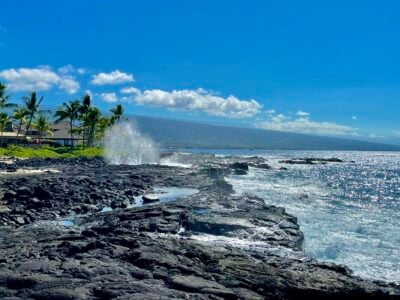
Kona Bay
Understand the Difference Between Market Value and Replacement Cost
This is one of the most misunderstood aspects of homeowners’ insurance.
When you purchase a home, you are buying both the land and the structure. Insurance, however, is primarily concerned with rebuilding the structure.
The land itself does not need to be insured.
For example, a $3 million property in Kona may have a land value of $0.6 million and a replacement cost of $2 million. Yet many homeowners naturally focus on the property’s total market value rather than the actual rebuilding cost.
Industry experts frequently point out that homeowners should not confuse a property’s purchase price with its reconstruction cost because they are often very different numbers.
Some insurance agents understandably recommend higher coverage limits because it reduces the risk of being underinsured. However, it is important to understand how replacement cost is calculated and whether the coverage aligns with your financial goals and risk tolerance.
There is another factor worth considering.
Not every homeowner needs or wants to insure every possible dollar of risk.
If you have substantial assets and are comfortable absorbing a portion of any future loss yourself, you may decide that full replacement coverage is unnecessary. After all, what is the likelihood that your home will be a total loss? What portion of a potential loss could you comfortably handle yourself?
These are personal financial decisions, and I am not saying you should not obtain homeowners’ insurance.
Your asset base, cash reserves, investment portfolio, and overall risk tolerance should all be part of the conversation.
Some homeowners prefer maximum protection and complete peace of mind. Others are comfortable retaining a portion of the risk in exchange for lower annual premiums.
Neither approach is inherently right or wrong.
The important thing is understanding the tradeoffs before making a decision.
Of course, if you have a mortgage, your flexibility is typically limited. Lenders establish minimum coverage requirements, including replacement cost coverage and hurricane insurance. In those situations, the lender is protecting its collateral as well.
The objective is not necessarily to purchase the highest amount of coverage available.
The objective is to purchase coverage that appropriately balances protection, cost, and your personal financial situation.
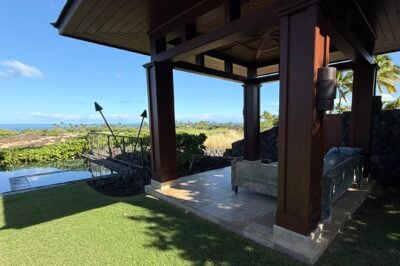
Kukio Home
Consider a Higher Deductible
One of the simplest ways to reduce annual premiums is to increase your deductible.
Insurance is designed to protect against significant losses, not necessarily every minor repair or maintenance issue.
If you have sufficient reserves and are comfortable absorbing a larger out-of-pocket expense in the event of a claim, a higher deductible may reduce your annual premium meaningfully.
Many insurance industry studies have found that increasing deductibles can generate meaningful premium savings, although homeowners should carefully evaluate their ability to absorb the higher out-of-pocket cost should a claim occur.
Of course, every homeowner’s financial situation is different.
A lower premium sounds attractive until an unexpected claim occurs.
Make sure the deductible you choose is an amount you could comfortably handle if needed.
Don’t Wait Until the Last Minute
Insurance availability is changing.
What worked five years ago may not work today.
In fact, what worked for the previous owner of the same property may not work for you.
Recently, we have seen insurers become increasingly selective about the homes they are willing to insure. Some companies have become cautious about older roofs. Others have adjusted underwriting guidelines regarding coastal exposure.
For example, we recently learned that State Farm is no longer writing new policies for certain properties located within approximately 300 feet of the ocean in parts of Kona.
Whether these guidelines change in the future is impossible to predict.
The important point is that underwriting standards are constantly evolving.
If you’re purchasing a property, begin shopping for insurance early in the escrow process.
Waiting until the final days before closing can create unnecessary stress and may limit your options.
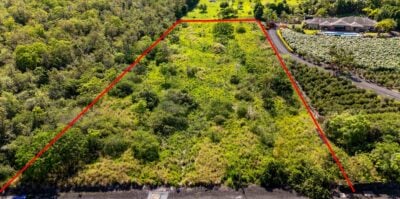
LAND VALUE NEEDS TO BE EXCLUDED
Hurricane Coverage and Personal Risk Tolerance
In Hawai‘i, hurricane coverage is often one of the largest components of a homeowners insurance premium.
For homeowners with a mortgage, hurricane coverage is generally required by the lender.
However, homeowners who own their property free and clear may have additional flexibility when evaluating coverage options.
This is where personal risk tolerance becomes an important consideration.
The Kona Coast benefits from a unique geographic setting. The massive volcanoes that define the Big Island, including Mauna Kea and Mauna Loa, rise nearly 14,000 feet above sea level and have historically provided significant protection from many storms approaching from the east.
While Hawai‘i has certainly experienced hurricanes and tropical storms, Kona has seen relatively limited hurricane-related property damage compared to many coastal communities elsewhere in the United States.
Of course, there are no guarantees.
Past experience does not predict future events, and a direct hurricane impact is always possible.
However, some homeowners who own their homes free and clear choose to evaluate whether the cost of hurricane coverage aligns with their personal financial situation and willingness to assume risk. Others explore higher hurricane deductibles to reduce annual premiums.
There is no universal answer.
Insurance is ultimately a risk-management decision.
The right choice depends on your financial resources, your property, and your comfort level with uncertainty.
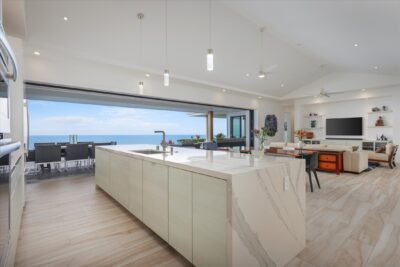
IOLANI LISTING
Final Thoughts
Homeowners insurance is no longer something most people can put on autopilot.
Premiums are rising. Underwriting standards are changing. And insurance availability can vary significantly from one company to another.
The good news is that homeowners still have options.
Shopping multiple carriers, understanding replacement cost, evaluating deductible levels, considering hurricane coverage, and starting the process early can all make a meaningful difference.
Most importantly, focus on value rather than simply finding the lowest premium.
The goal is not to buy the most insurance.
The goal is to buy the right insurance for your situation.
If you’re considering purchasing a home on the Big Island and have questions about insurance, replacement costs, or current market conditions, I’d be happy to share what we’re seeing on the ground and connect you with local professionals who can help.
Frequently Asked Questions
Why is homeowners insurance so expensive in Hawaii?
Homeowners insurance costs have increased due to higher construction costs, inflation, natural disaster losses nationwide, and stricter underwriting standards. In Hawaii, insurance availability and hurricane risk can also affect premiums, particularly for coastal properties.
How can I lower my homeowners insurance premium in Hawaii?
Common strategies include shopping multiple insurance companies, increasing deductibles, reviewing coverage limits, improving home safety features, and understanding whether your replacement cost coverage aligns with your needs.
Is hurricane insurance required in Hawaii?
If you have a mortgage, your lender will typically require hurricane insurance coverage. Homeowners who own their property free and clear may have more flexibility, although they should carefully evaluate the financial risks before reducing coverage.
What is the difference between home value and replacement cost?
Home value includes both the land and the structure. Replacement cost refers only to the cost of rebuilding the home itself. Insurance companies primarily insure the structure, not the land.
Can I insure my home for less than its market value?
In many cases, yes. Insurance coverage is generally based on replacement cost rather than market value. However, lender requirements and policy terms may limit your options.
Does living near the ocean increase homeowners insurance costs?
It can. Some insurers view oceanfront or near-ocean properties as higher risk due to wind exposure, salt air, and potential storm damage. Premiums and eligibility can vary significantly between insurance companies.
What deductible should I choose for homeowners insurance?
The right deductible depends on your financial situation and risk tolerance. Higher deductibles typically reduce annual premiums but increase out-of-pocket costs if you file a claim.
Why should I shop multiple insurance carriers?
Insurance companies evaluate risk differently. The same property can receive significantly different quotes depending on the insurer’s underwriting guidelines, coverage options, and risk assessment.
When should I start shopping for insurance during a home purchase?
Ideally, homeowners should begin obtaining quotes early in the escrow process. Insurance availability can vary, and waiting until the last minute may limit your options or create delays before closing.
Can insurance companies refuse to insure a property in Hawaii?
Yes. Insurance companies can decline coverage based on factors such as roof age, property condition, wildfire exposure, coastal location, or underwriting guidelines. These requirements can change over time.
Is hurricane insurance worth it if I own my home free and clear?
That depends on your financial resources, risk tolerance, and ability to absorb a potential loss. Some homeowners prefer maximum protection, while others evaluate whether the cost of coverage aligns with their personal situation.
Does a newer roof lower homeowners insurance premiums?
Often, yes. Many insurers view newer roofs as lower risk because they are generally more resistant to wind and water damage. Some companies may offer better rates or broader coverage for homes with newer roofs.
How much homeowners insurance do I really need?
The appropriate amount depends on your home’s replacement cost, your financial situation, lender requirements, and your personal risk tolerance. There is no one-size-fits-all answer.
Why are insurance companies becoming more selective?
Across the United States, insurers are facing higher claim costs and greater exposure to natural disasters. As a result, many companies have tightened underwriting standards and become more selective about the properties they insure.