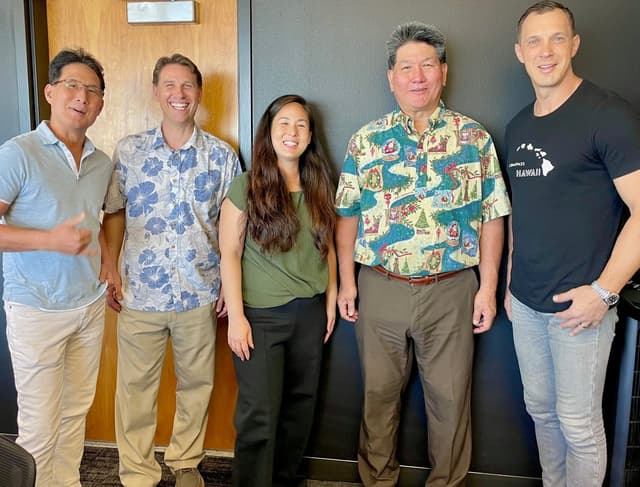
By Kai Ioh and KE TEAM Hawaii
Kai Ioh is a luxury real estate advisor based in Kona, Hawai‘i, specializing in second home, resort, and ultra-high-net-worth markets across the Big Island.
What Did Daifukuji’s Bon Dance Show About Kona Community Life?
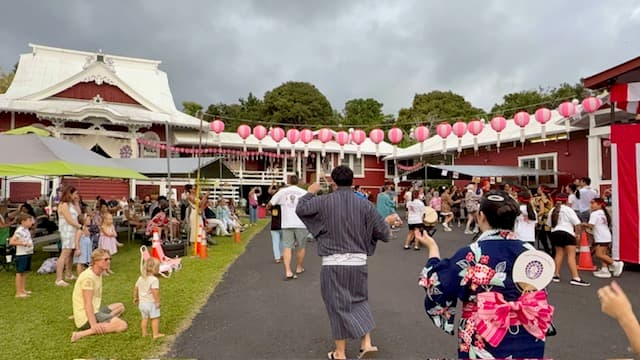
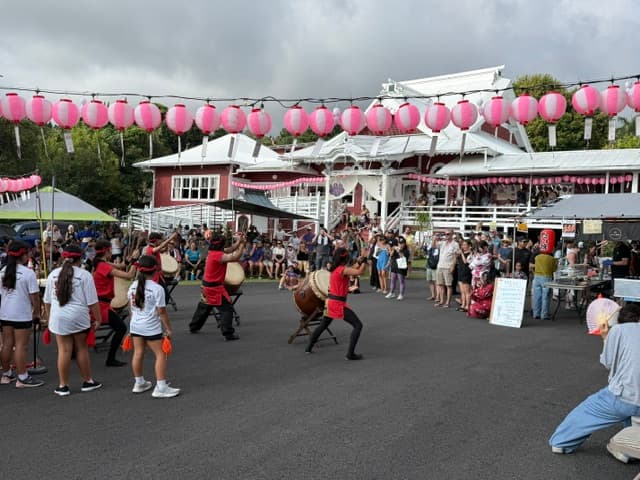
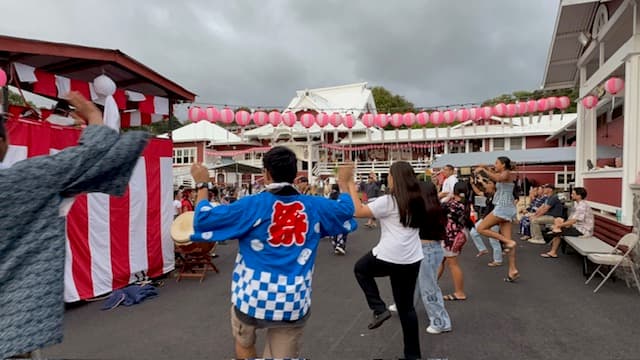
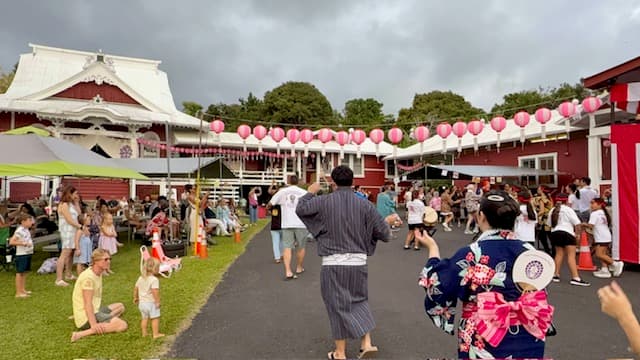
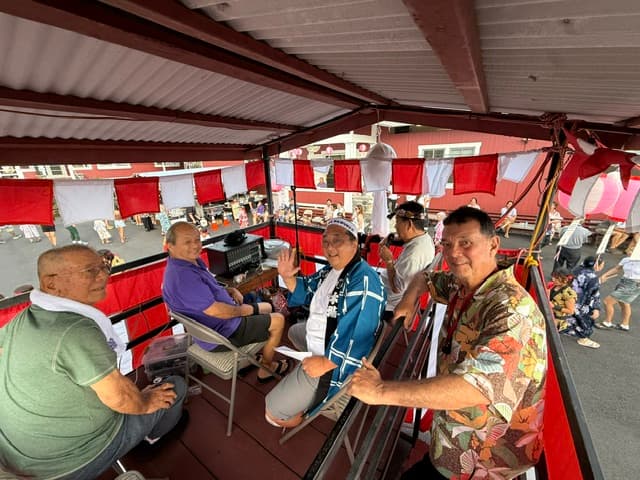
On July 11, 2026, Kona Daifukuji Soto Mission was once again filled with the sounds of taiko, laughter, music, and people moving together around the central dance platform, or yagura.
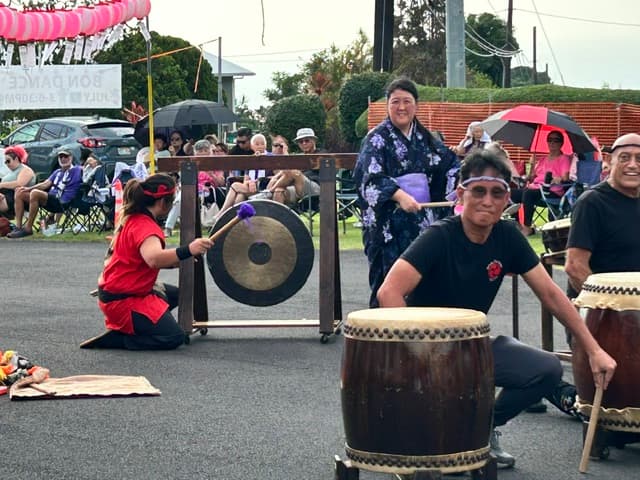
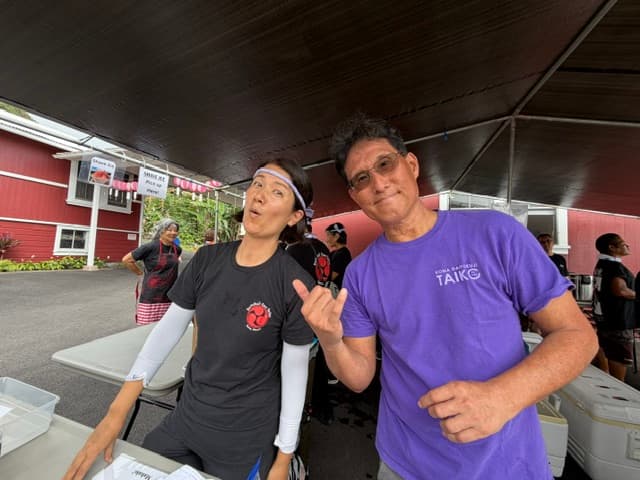
For the past four years, I have had the honor of serving as co-chair of Daifukuji’s annual Bon Dance. Being involved behind the scenes has given me a different appreciation for the event. And those who were at the event may have seen me everywhere supporting various volunteers. And I performed Taiko drums with my group. That was fun.
A Bon Dance may look simple from the outside. Hang the lanterns, prepare the food, start the music, and dance.
Of course, it is not quite that simple.
What Happens Behind the Scenes?
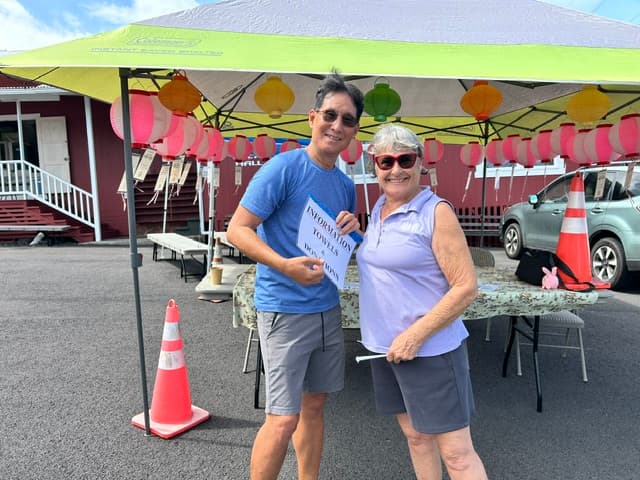
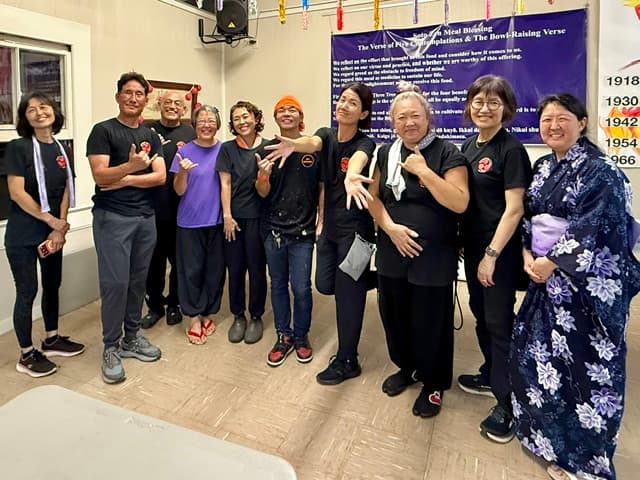
Every year, many volunteers are needed to build and decorate the yagura, organize parking, prepare food, welcome guests, lead the dances, perform taiko, and clean everything afterward.
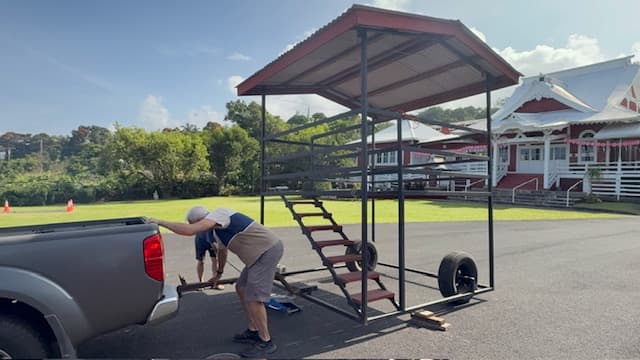
Each task may appear small, but the event depends on all of them. Traditions do not continue by themselves. They continue because people are willing to show up, take responsibility, and work together. Yes, it is not easy to oversee the festival this big, but what makes the effort worthwhile is seeing the community gather.
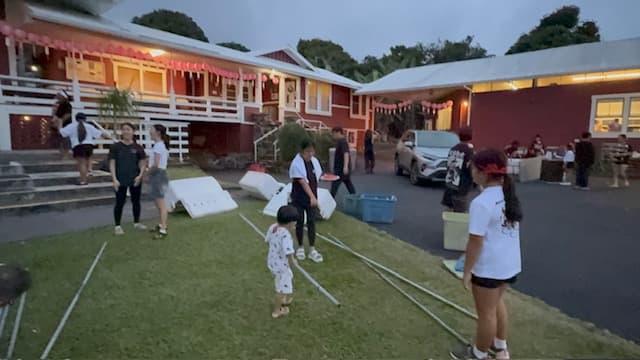
Kids, seniors, longtime temple members, island visitors, and local families all joined the same circle at Daifukuji. People of many ethnicities, generations, backgrounds, and identities danced side by side.
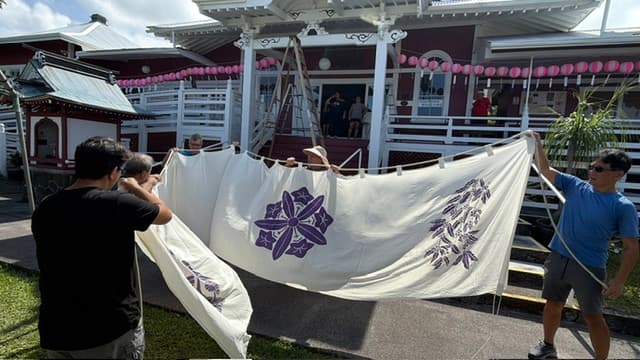
Nobody was there to perform for an audience.
They were simply there to participate, and many helped us with cleanups! MAHALO!
O'z Kitchen
Food has always been an important part of Bon Dance in Hawaiʻi. This year, we were especially fortunate to receive support from the local Japanese restaurant O’z Kitchen.
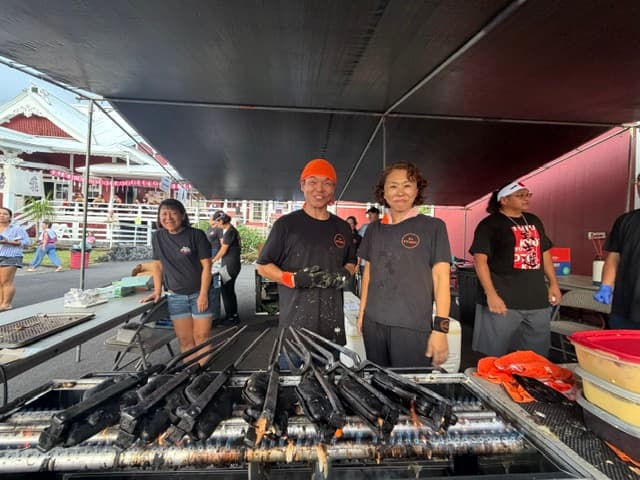
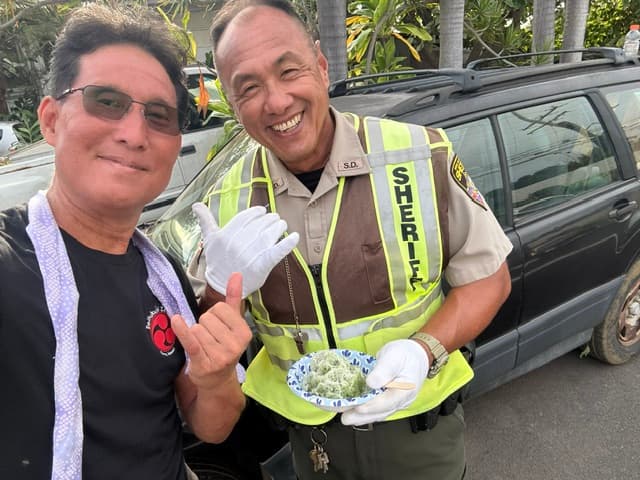
Tomo and Yuuki volunteered their time to help serve Japanese-style shave ice, gyudon, pork ginger bowls, Japanese curry, and freshly made taiyaki. We were so blessed.
For anyone unfamiliar with taiyaki, it is a fish-shaped Japanese cake with a texture similar to a light waffle. It is traditionally filled with sweet red bean paste called anko. We also had custard cream Taiyaki this year. So good.
Tomo prepared each taiyaki in front of everyone. Watching the batter go into the fish-shaped mold, smelling it as it cooked, and eating it while it was still hot was a real treat. It is hard to find handmade taiyaki even in Japan.
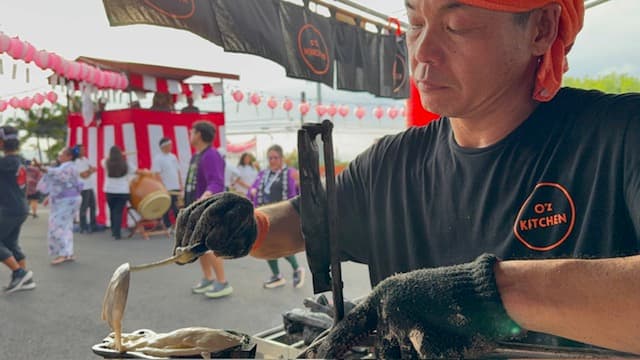
At the time of writing, I do not know of a restaurant in Kona that serves taiyaki. O’z Kitchen prepares it for certain special occasions, so having it at Daifukuji made the festival even more memorable.
Their contribution also demonstrated why local businesses matter to community events. They offer more than food. They help preserve cultural experiences and give each gathering its own character. I feel having Japanese food at the Bon Dance is essential.
What Is the Connection Between Obon and Bon Dance?
Bon Dance, also called Bon Odori, is connected to Obon, a Buddhist tradition of remembering and expressing gratitude to those who came before us.
During Obon, families may visit graves, make offerings, light lanterns, and participate in memorial services. Bon Odori is the communal dance associated with this period of remembrance.
The Japanese Cultural Center of Hawaiʻi notes that Bon Odori has been practiced for more than 600 years. Although Bon Dance has become a major community celebration in Hawaiʻi, it is important to remember its spiritual foundation.
It is more than a summer festival. At its heart, it is about gratitude, memory, and connection.
How Did Bon Dance Come to Hawaiʻi?
Organized migration of Japanese laborers to Hawaiʻi’s sugar plantations began in 1885. As the immigrant population grew, Buddhist priests, temples, language schools, and community organizations followed.
For immigrants living far from Japan, Obon provided a connection to family, culture, and home. It also offered comfort to people who had lost loved ones or believed they might never return to their hometowns.
Why Were Buddhist Temples Important to Plantation Communities?
Buddhist temples became much more than places of worship. They also served as language schools, social centers, and gathering places for plantation communities.
Daifukuji was founded in Honalo in 1914. It is one of the oldest Zen Buddhist temples in Hawaiʻi and is listed on the National Register of Historic Places.
Plantation life was difficult. Laborers worked long hours within a system that often divided people by ethnicity and job classification.
At the same time, the plantations brought immigrants from Japan, China, Portugal, Puerto Rico, Korea, the Philippines, and other places into neighboring communities. That movement of people helped shape the multicultural local society we recognize in Hawaiʻi today.
Over time, Bon Dance expanded beyond the Japanese Buddhist community. Neighbors, coworkers, friends, and families from many backgrounds began participating.
The tradition remained Japanese in origin, but it gradually became something distinctly local.
How Did Bon Dance Traditions in Hawaiʻi Become Distinctly Local?
One clear difference is the length of the season.
In Hawaiʻi, Bon Dance is not limited to a single weekend. Temples coordinate their schedules so dancers, musicians, and community members can travel from one event to another.
The result is a summer-long Bon Dance season.
The Japanese Cultural Center of Hawaiʻi’s 2026 calendar lists 31 events on the Big Island alone, running from May through September. Its statewide calendar also includes dances on Oʻahu, Kauaʻi, Maui, Lānaʻi, and Molokaʻi.
How Has the Food Become Local?
Depending on the temple and island, a Bon Dance menu may include sushi, andagi, saimin, flying saucers, shave ice, malasadas, teriyaki, curry, and other plantation-influenced favorites.
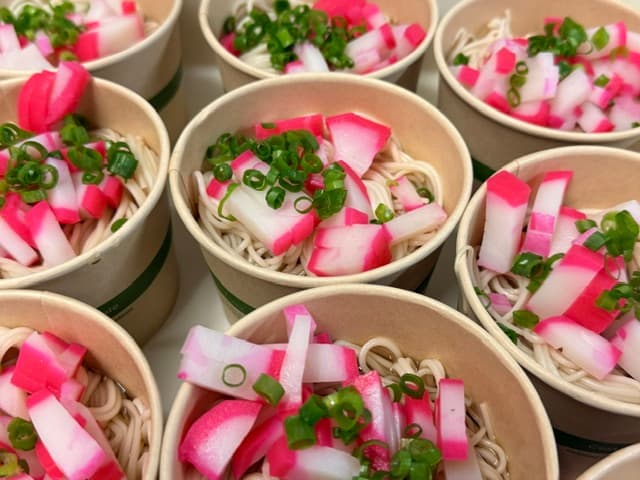
This mixture reflects Hawaiʻi’s history. Japanese dishes remain important, but they now appear alongside foods connected to the islands’ many immigrant communities.
The menu at each event is often part of its personality. Some people follow the Bon Dance season for the dancing. Others may be quietly following the food.
Both are understandable.
What Do People Wear?
Clothing at a Hawaiʻi Bon Dance is relaxed.
Some dancers wear traditional yukata or happi coats. Others wear aloha shirts, shorts, tropical-print yukata, or whatever feels comfortable.
And yes, slippers are perfectly acceptable.
The variety of clothing reflects the larger character of Bon Dance in Hawaiʻi. The tradition is respected, but participation is not limited by formality.
How Has the Music Changed?
Traditional songs such as “Tanko Bushi” remain popular. Hawaiʻi Bon Dances may also include locally composed songs, contemporary music, and dances that would be unusual at a traditional Obon festival in Japan. Daifukuji now plays a song I composed, "SMILE," and a local dance instructor created Bon Dance moves.
One of Kona Hongwanji’s signature favorites is a Bon Dance performed to Bruno Mars’ “24K Magic.”
Yes, Bruno Mars. With taiko.
There is something wonderfully Hawaiʻi about a traditional dance circle moving to modern pop music, with taiko keeping the energy going. It is a combination you probably would not encounter at a typical Bon Odori in Japan.
I think of it as the California roll of Bon Dance.
It may not be part of the traditional menu, but somehow it works beautifully here.
Does Adapting the Music Weaken the Tradition?
That concern deserves respect. The Buddhist foundation of Obon should not be forgotten. Bon Dance remains connected to remembrance, gratitude, and those who came before us.
At the same time, adaptation does not automatically mean a loss of meaning. In many cases, new elements help younger generations and people from different backgrounds find a way into the tradition.
This is not limited to Hawaiʻi. Tokyo’s Nakano Bon Odori has combined traditional folk music with J-pop, disco, and even Bon Jovi. Approximately 75,000 people attended the 2024 festival, and videos of the event circulated widely online.
Bon Odori has also become a major cultural gathering in Malaysia. The 2025 Bon Odori Festival in Sunway City attracted approximately 50,000 visitors, including Japanese expatriates, local residents, families, and tourists.
Tradition does not always survive by remaining exactly the same.
Sometimes it survives because people find new ways to participate while respecting its original meaning.
Bon Dance Is Easy for First-Time Visitors
The beauty of Bon Dance is its low barrier to participation.
You do not need a partner. You do not need special clothing. You do not need previous dance experience.
Most dances use simple, repetitive movements. You watch the dance leaders or the people around you, follow as best you can, and continue moving around the circle.
During the first round, you may feel completely lost.
By the second round, you begin to recognize a few movements.
By the third round, you may start to feel the rhythm.
By the fourth round, you might even look like you know what you are doing.
Maybe.
Bon Dance is not about showing people how well you can dance. It is about joining the circle. Each time you go around, you become a little more comfortable.
There is no single perfect way to participate, provided you are respectful and willing to follow the people around you.
That simplicity may be one reason Bon Odori continues to attract new generations. Many people are looking for experiences that feel genuine and social. Bon Dance combines music, movement, food, culture, and community without asking anyone to become an expert first.
What Do People Often Misunderstand About Bon Dance?
One misconception is that Bon Dance is a performance that visitors should stand outside and watch.
There are taiko performers and experienced dance leaders, but the circle itself is participatory. The people dancing are not necessarily trained performers. Many are simply following their neighbors and doing their best. I am a bad dancer, and I only know a handful of dances. But somehow I enjoy Bon Dance.
Another misconception is that a person must be Buddhist or of Japanese ancestry to join. Bon Dance remains rooted in Japanese Buddhist tradition, but Hawaiʻi’s temple events welcome the wider community.
Participation should still be respectful. Visitors should recognize that the gathering has a spiritual and historical foundation, even when the atmosphere feels relaxed and festive.
The best approach is simple. Observe, listen, follow the people around you, and enter the circle with humility.
Where Can People Join a Bon Dance on the Big Island in 2026?
Daifukuji’s Bon Dance has finished for the year, but the Big Island season continues.
Hilo Hooganji Mission and Kona Hongwanji are scheduled to host their events on July 25. Additional Bon Dances continue around the island during August and into September.
Oʻahu’s schedule continues into October, while communities on the other islands host events through the remainder of the summer.
Dates and times can change. Confirm the schedule directly with the individual temple before attending.
Come hungry.
Wear comfortable clothes.
Do not worry about knowing the steps.
Find an open place in the circle and begin moving with everyone else.
Bon Dance began as a way to remember those who came before us. In Hawaiʻi, it has also become a way to appreciate the community standing beside us today.
That is an important part of life in Kona and across the Big Island.
Each time we go around the circle, perhaps we all become a little better.
Frequently Asked Questions
What is Bon Dance in Hawaiʻi?
Bon Dance, or Bon Odori, is a communal dance connected to Obon, a Buddhist season of remembrance and gratitude for those who came before us. In Hawaiʻi, it remains rooted in that spiritual tradition while also welcoming people of many ages, cultures, and backgrounds.
Is Bon Dance only for Buddhists or people of Japanese ancestry?
No. Bon Dance has Japanese Buddhist origins, but events in Hawaiʻi are generally open to the wider community. Temple members, local families, visitors, children, seniors, and first-time dancers often participate in the same circle.
What is the difference between Obon and Bon Dance?
Obon is the broader Buddhist tradition of remembering and honoring ancestors. Bon Dance, or Bon Odori, is the communal dance associated with that period. The dance is one part of a larger tradition that may also include memorial services, grave visits, offerings, and lanterns.
How is Bon Dance in Hawaiʻi different from Bon Odori in Japan?
Hawaiʻi’s Bon Dance season is longer, and temples often coordinate dates so people can attend events across the islands. The food, clothing, and music also reflect local plantation history and Hawaiʻi’s multicultural community. Traditional dances may appear alongside local songs or contemporary music.
Do I need to know the dances before attending?
No. Most dances use simple, repetitive movements. Watch the dance leaders or the people around you, follow as best you can, and keep moving with the circle. The purpose is participation, not performance.
What should I wear to a Bon Dance in Hawaiʻi?
Wear comfortable clothing and shoes or slippers that allow you to move easily. Some people wear yukata or happi coats, while others wear aloha shirts, shorts, or everyday clothing. Special attire is welcome but not required.
Why are food and local businesses important at Bon Dance?
Food creates an easy place for people to gather, talk, and share cultural traditions. Local restaurants and volunteers often contribute dishes that connect Japanese roots with Hawaiʻi’s plantation and island food culture. Their participation helps make each temple’s event distinct.
Why does Bon Dance still matter on the Big Island?
Bon Dance connects remembrance with present-day community life. It brings together generations, welcomes newcomers, and depends on volunteers who prepare the food, music, parking, dance area, and cleanup. In Kona and across the Big Island, it shows how a tradition can remain meaningful while continuing to evolve.