
2026 Big Island Resort Market Summary
By Kai Ioh and KE TEAM Hawaii
Kai Ioh is a luxury real estate advisor based in Kona, Hawai‘i, specializing in second home, resort, and ultra-high-net-worth markets across the Big Island.
This 2026 Big Island resort market summary explains how resort real estate is shifting across Kona and the Kohala Coast at mid-year. Traditional resort condos in Waikoloa Beach Resort, Mauna Lani, and Mauna Kea are becoming more selective and balanced. Private club communities such as Kukio, Four Seasons Hualalai, and Kohanaiki continue to operate in a different world, supported by scarcity, membership access, privacy, and long-term wealth positioning.
Key Takeaways
The 2026 Big Island resort market is not moving as one market. Resort condos and private club communities are behaving very differently.
Kohala Coast resort condo markets are stabilizing as inventory rises and buyers become more selective.
Waikoloa Beach Resort offers more buyer choice, while Mauna Lani is showing stronger balance.
Mauna Kea remains difficult to measure from data alone because the number of sales is small.
Kukio, Four Seasons Hualalai, and Kohanaiki continue to outperform the broader resort market because scarcity, membership access, privacy, and services still matter.
What Does the 2026 Big Island Resort Market Summary Show at Mid-Year?
At first glance, the mid-year resort market looks simple: more inventory, slower buyer demand, and a market that is no longer moving at the pace we saw during the pandemic surge.
But the real story is more nuanced.
On the Big Island, resort real estate is not one market. Waikoloa Beach Resort, Mauna Lani, Mauna Kea, Four Seasons Hualalai, Kukio, and Kohanaiki all attract different buyers. They offer different lifestyles. They also move for different reasons.
That is why broad generalizations can be risky. Even within each resort, there are mini-markets based on location, view, short-term rental ability, age of construction, access to amenities, and property type.
As we reach mid-year 2026, the message is clear: the traditional Kohala Coast resort condo market is stabilizing and, in some areas, flattening. The private club market continues to operate in its own world, supported by scarcity, membership value, and long-term wealth positioning.
Why Are Kohala Coast Resort Condos Stabilizing?
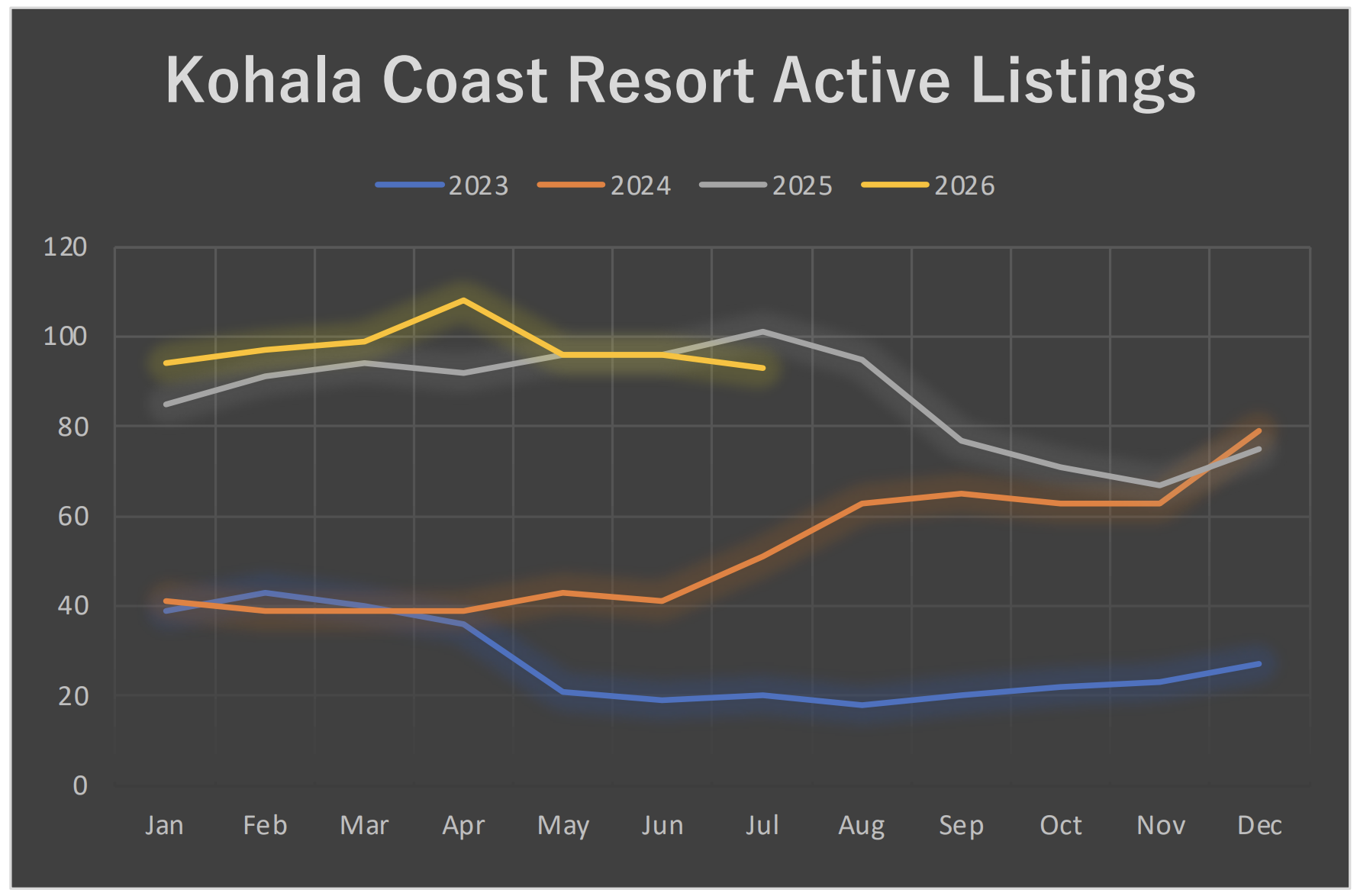
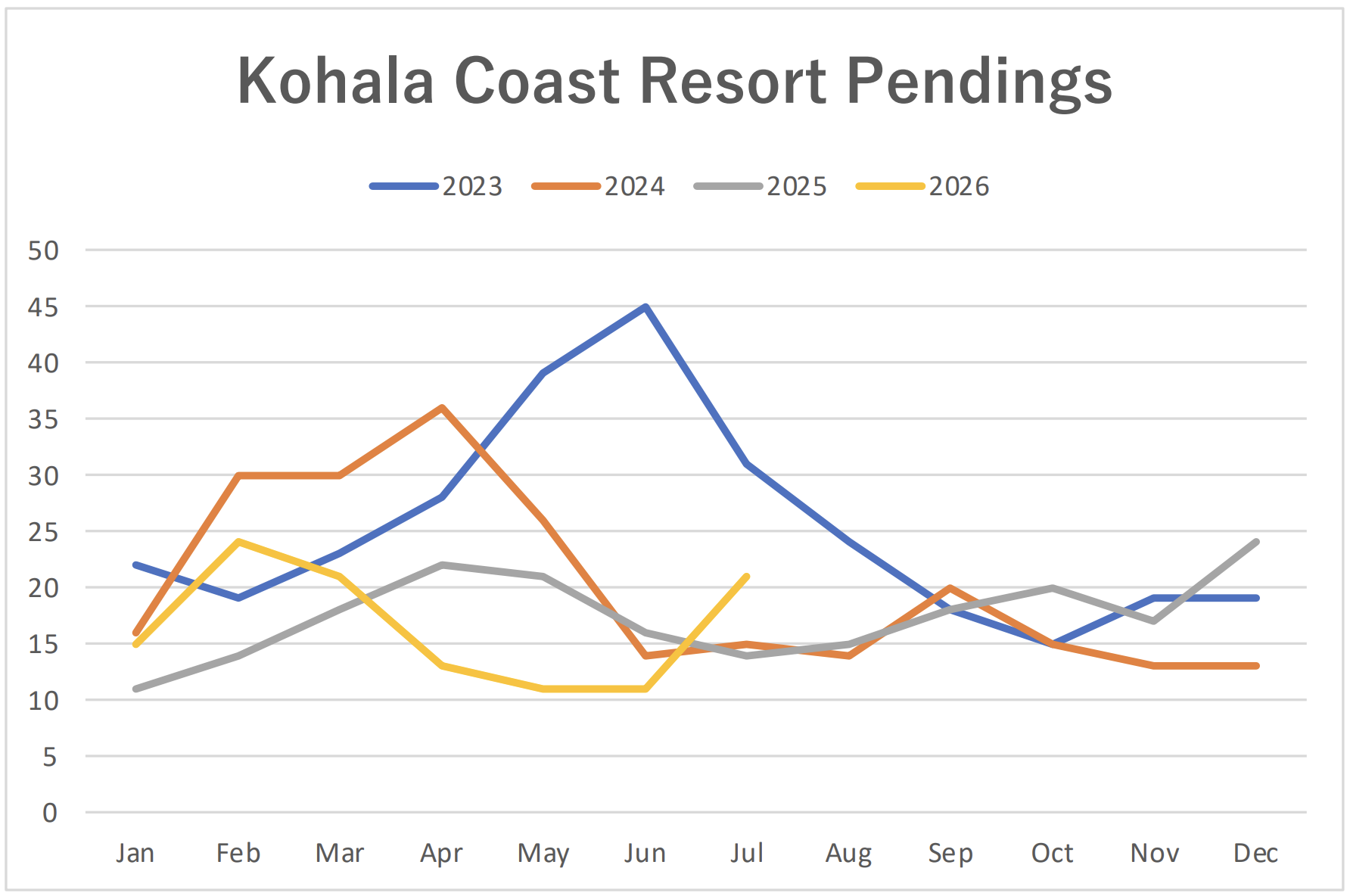
The Kohala Coast resort condo market currently has one of the highest inventory levels we have seen over the past five years. July inventory is slightly below 2025 levels, but still well above the levels seen in 2023 and 2024.
At the same time, pending sales improved meaningfully this month. Pending activity almost doubled from June, jumping from 11 to 21 across Waikoloa, Mauna Lani, and Mauna Kea.
So while buyer demand is still not as aggressive as it was during the peak COVID years, the market is not frozen. Buyers are simply being more selective.
They are looking carefully at value, maintenance costs, rental potential, condition, and whether the property truly fits their lifestyle. In this type of market, pricing and positioning matter more than ever.
How Is Waikoloa Beach Resort Performing in 2026?
Waikoloa Beach Resort remains the most accessible entry point among the major Kohala Coast resort markets. Two-bedroom, two-bath condos start in the $700,000s, making them attractive to buyers who want a resort lifestyle without paying Mauna Lani or Mauna Kea pricing.
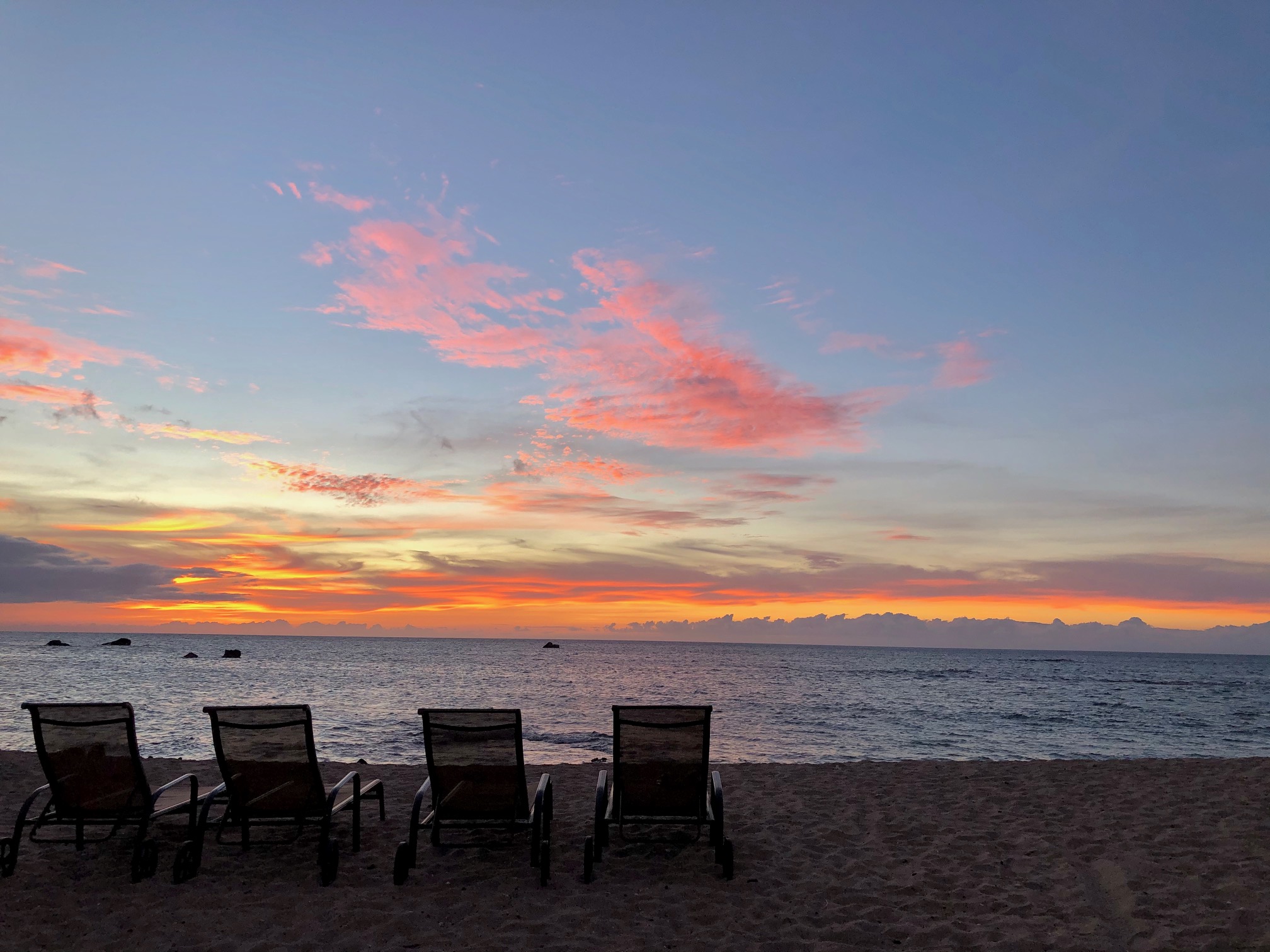
Waikoloa is also one of the most convenient resort communities on the coast. It offers multiple shopping areas, restaurants, beach access, golf, hotels, and strong visitor infrastructure.
For some buyers, the large time-share presence is not ideal. For others, the convenience and rental demand make Waikoloa very practical.
Waikoloa was one of the more sluggish resort markets in 2025 because prices stayed high even as buyer demand cooled. This year, activity has improved somewhat as prices have adjusted.
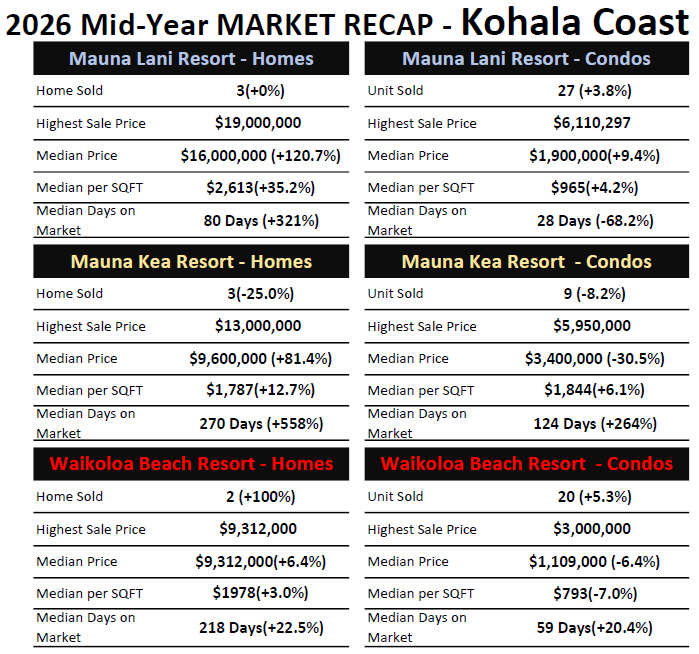
The median condo price is down about 7% year-over-year, with a median price of $1,109,000 and a price per square foot of $793. Months of supply is approximately 15.3 months, giving buyers more options and negotiating power than they had a few years ago.
For sellers, this does not mean the market is weak across the board. It means buyers need a clear reason to choose your property. Updated interiors, strong rental history, good view corridors, and realistic pricing are making the difference.
Why Is Mauna Lani the Strongest Resort Condo Performer So Far?
Mauna Lani experienced its own price correction in 2025, with median pricing down roughly 10%. This year, the market has been stronger.
The median condo price is approaching $2 million, currently at $1,900,000, up 9.4% year-over-year. Price per square foot is around $965, and Mauna Lani has recorded the highest number of condo closings among the three major Kohala Coast resort communities.
Months of supply is approximately 6.0 months, which is much healthier than Waikoloa.
The ultra-luxury single-family home market in Mauna Lani is also active, with a median price this year of $16,000,000. Price per square foot is $2,613, nearly reaching the Hualalai Resort level. That number needs context, though. All three homes sold this year were oceanfront. An oceanfront home in the private resorts will generally sell much higher.
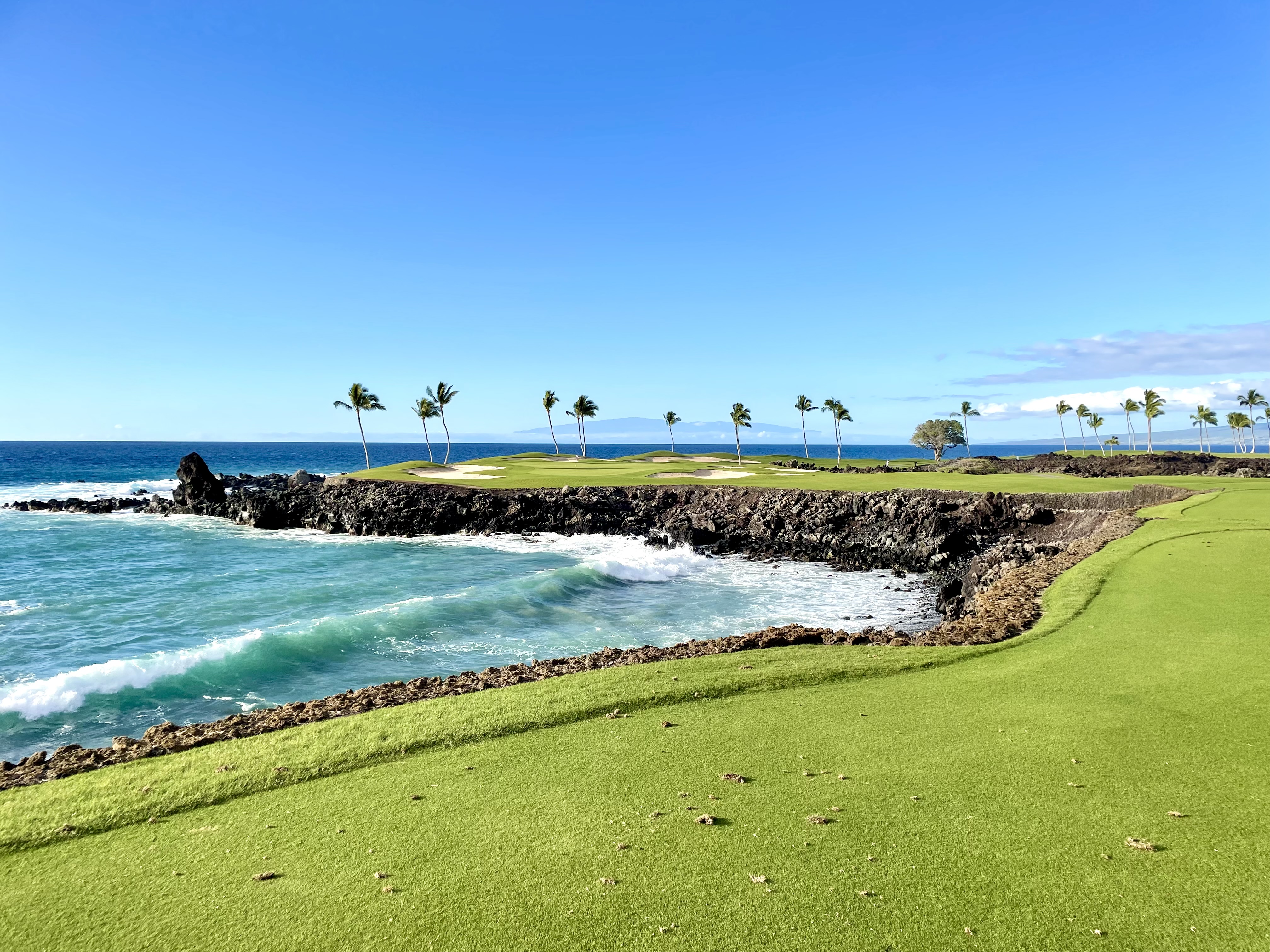
Mauna Lani offers a balanced Big Island resort lifestyle: Mauna Lani Beach Club, golf, restaurants, shops, oceanfront trails, and a more residential resort feel.
Buyers are not just buying a condo. They are buying morning walks by the fishponds, dinner at sunset, gated beach club access, and that quiet feeling of being connected to the Kohala Coast.
But again, Mauna Lani is not one market. Mauna Lani Point, The Islands, KaMilo, Kulalani, The Villages, Palm Villas, and other condo communities all behave differently.
There are also a few single-family home subdivisions that feel like their own mini-resorts, tucked away from public view. Proximity to the ocean and hotels, view, age, floor plan, and rental rules can change value dramatically.
This is where local knowledge really matters.
Why Is Mauna Kea Resort Hard to Measure From Data Alone?
Mauna Kea Resort is one of the most difficult resort markets to analyze from data alone.
Only nine condos have sold year-to-date, so one or two sales can affect the average and median prices. The current median condo price is $3,400,000, down about 30% year-over-year. But I would be careful not to read too much into that number.
Last year’s data was influenced by new Amaui Villas sales, which pushed pricing higher. With such a small sample size, the year-over-year comparison does not necessarily reflect the market’s true direction.
What Mauna Kea has is something data does not always capture well: loyalty.
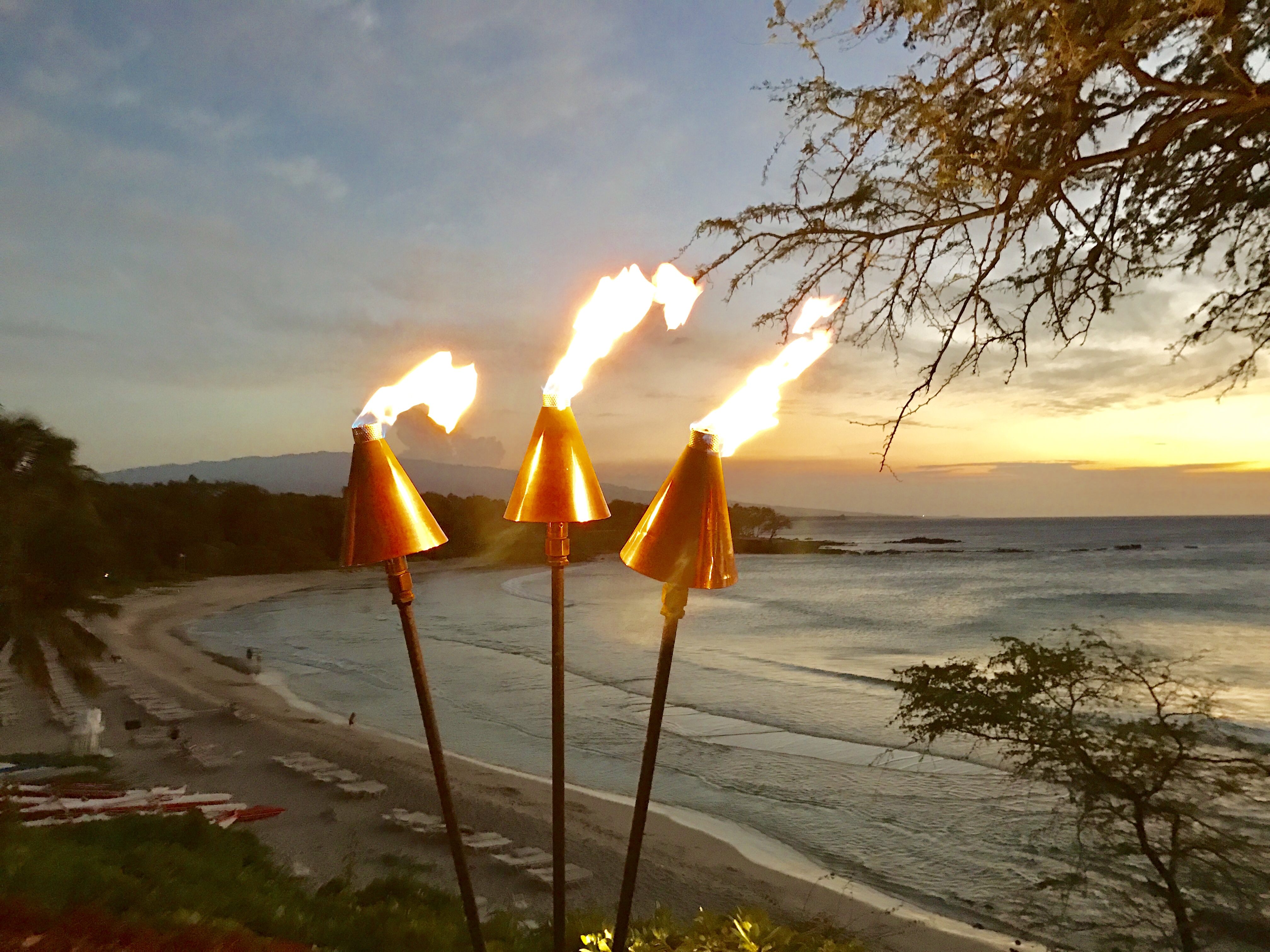
There are core buyers who strongly prefer Mauna Kea to any other resort because of its brand, beach, golf course, and timeless feel. Mauna Kea Beach remains one of the most iconic beaches in Hawai‘i, and that emotional connection still matters. The "Mauna Kea" brand is very strong in Bay Area.
While Mauna Kea does not offer the same exclusive private club structure as Kukio, Hualalai, or Kohanaiki, it does offer a club experience on a more relaxed scale. Mauna Kea recently celebrated its 60th anniversary, completed a new spa, and renovated rooms. Older than I am, but wearing it very well.
Months of supply is around 9.4 months, which suggests a more balanced to slower market. Still, special properties such as Villas at Mauna Kea can continue to command attention.
Why Do Private Resorts Still Defy Gravity?
Now we move into a completely different tier.
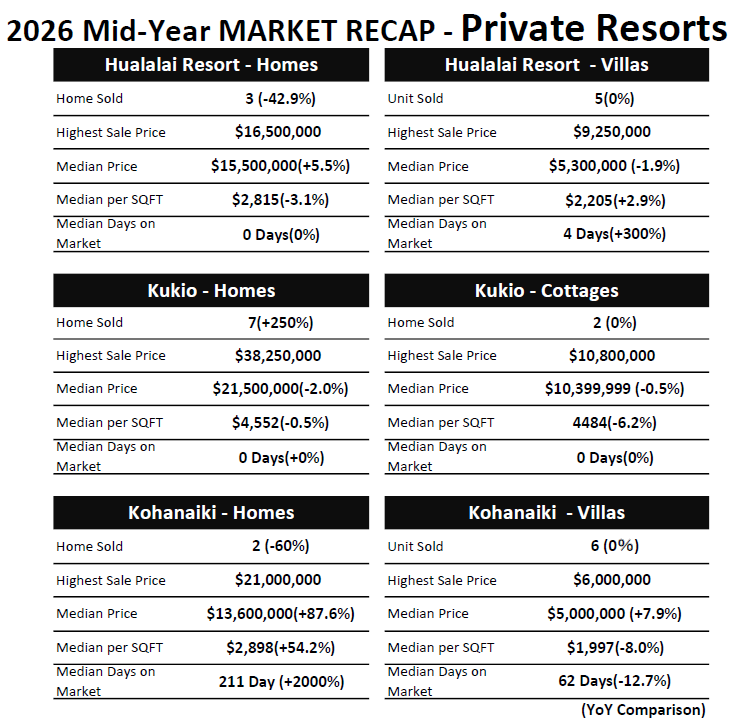
Kukio, Four Seasons Hualalai, and Kohanaiki continue to outperform the broader resort market. Supply and demand remain tipped in favor of sellers, especially at Kukio and Hualalai.
This segment is not driven by interest rates or short-term rental returns. It is driven by scarcity, membership access, privacy, services, and long-term wealth planning.
In other words, buyers are not simply asking, “What is the price per square foot?”
They are asking whether the property gives them access to a lifestyle that is extremely hard to replicate elsewhere in Hawai‘i.
What Makes Kukio So Different?
Kukio remains one of the most exclusive private club communities in the State of Hawai‘i.
In 2026, it is performing remarkably well, helped by a strong feeder market from Silicon Valley and the broader wealth effect tied to equity markets. When tech, AI, and financial markets are strong, the ultra-luxury Big Island market often feels it.
The median home price is $21.5 million so far this year, and price per square foot surpassed $4,500. That is an extraordinary number, but Kukio is not a typical real estate market.
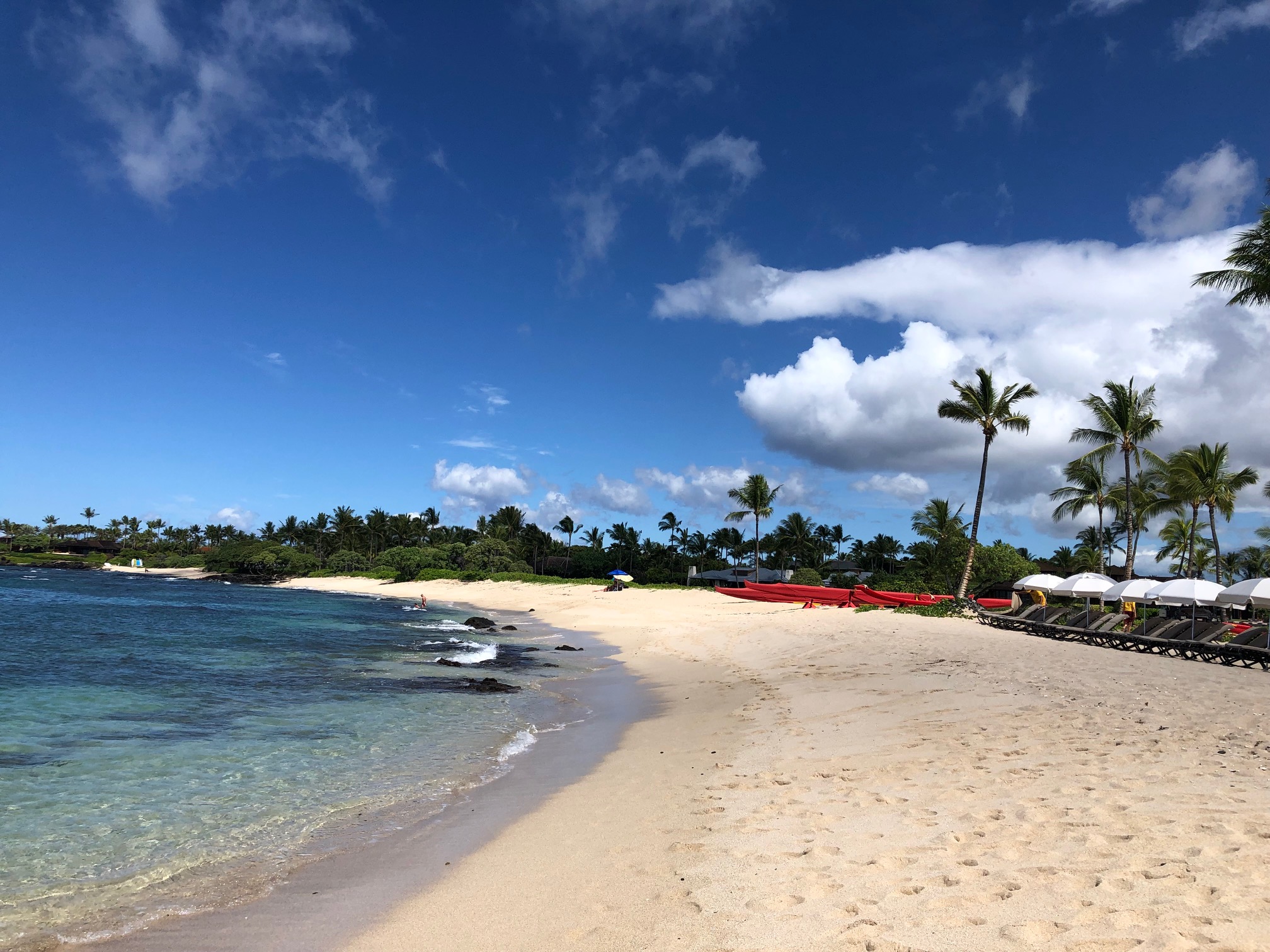
Membership scarcity, limited inventory, oceanfront and golf course settings, and the quality of the private club experience all support long-term value. Over the past five years, Kukio has seen roughly 17% annual appreciation, which reinforces how different this segment is from the broader market.
How Is Four Seasons Hualalai Positioned in 2026?
Four Seasons Hualalai continues to be one of the most desired luxury resort communities in Hawai‘i.
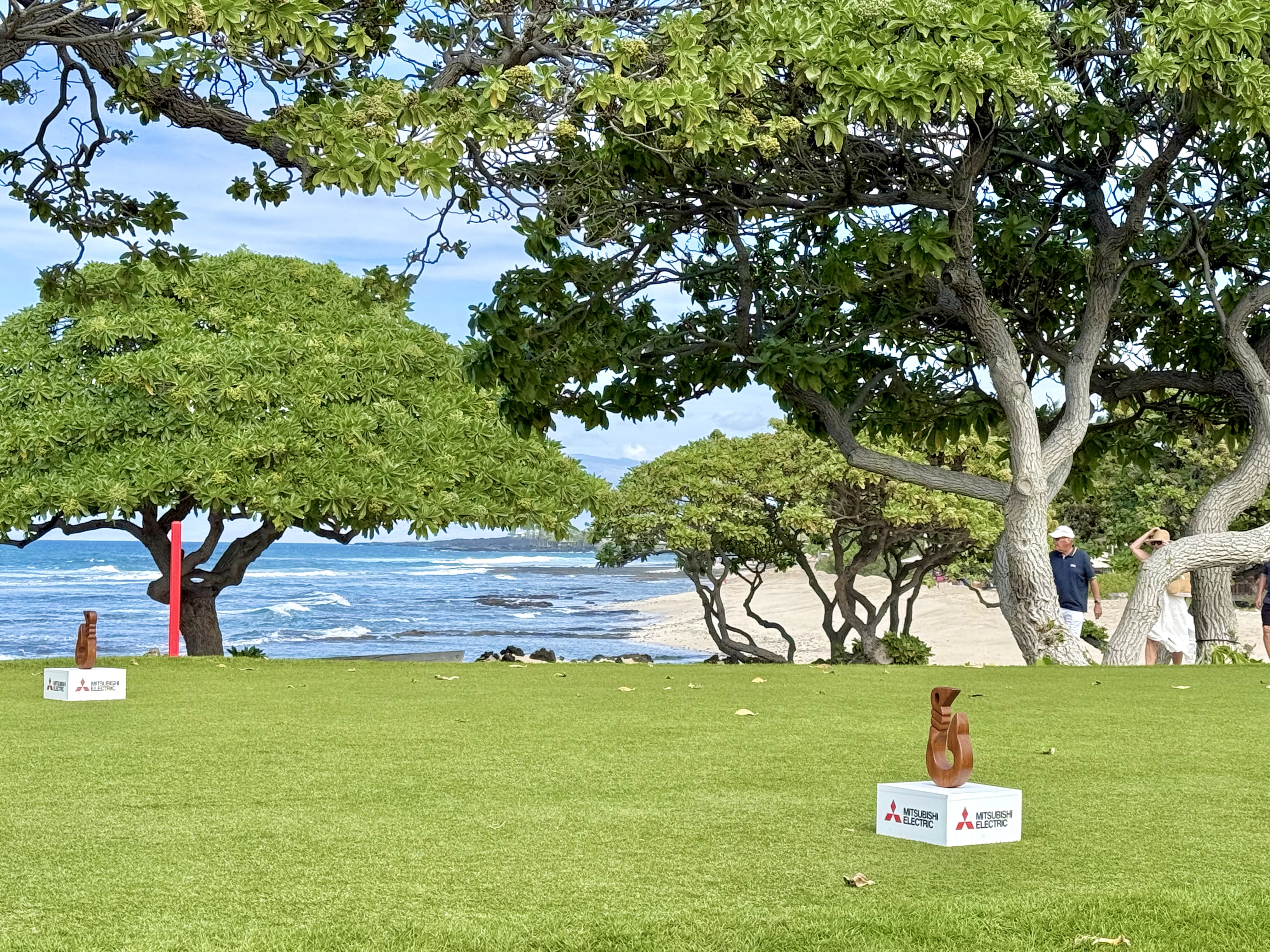
Unlike Kukio, Hualalai has a semi-private structure where homeowners share parts of the resort environment with hotel guests. For many buyers, that is actually part of the appeal.
It offers luxury, service, dining, spa, golf, and the Four Seasons experience, but with a more flexible and active resort atmosphere. Many people do not know this, but Hualalai also has a golf course and clubhouse exclusive for members.
Inventory remains extremely limited. Villas, condos, and homes often sell quietly or before reaching the broader market.
The median home price is $15.5 million so far this year, up 5.5% year-over-year. Homes are commanding $2,815 per square foot, reinforcing Hualalai’s position as one of the premier ultra-luxury destinations in Hawai‘i.
For buyers who want service, exclusivity, brand recognition, and the comfort of a proven luxury resort, Hualalai remains very hard to beat.
Please access our latest July 2026 Market Flipbook for more data.
Why Is Kohanaiki Still Growing and Already Proven?
Kohanaiki is also off to a strong start in 2026, including a front-row home sale for $21 million.
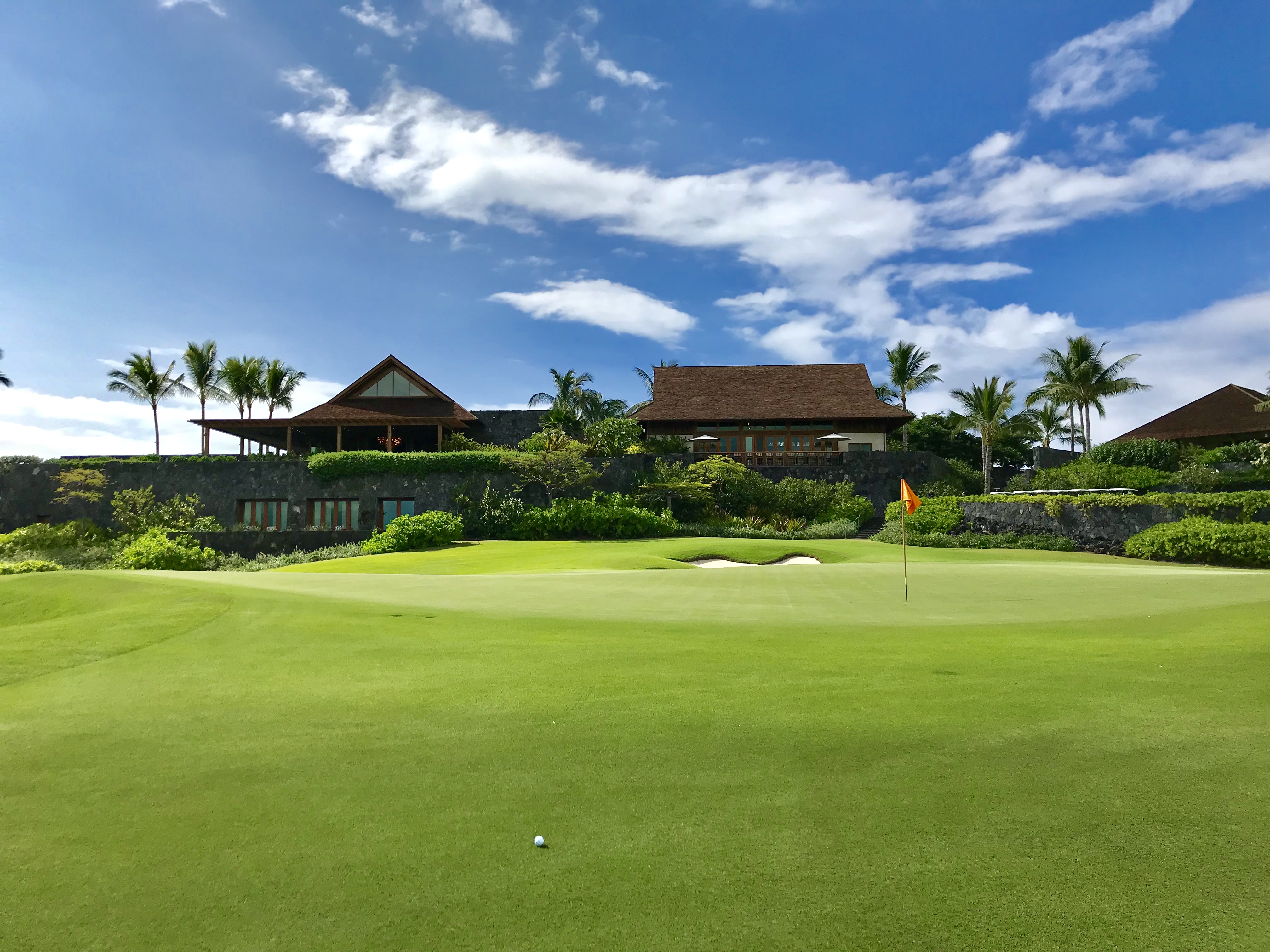
The resort is still about 60% complete, with more new product on the way. That makes Kohanaiki especially interesting because it is both established and still evolving.
The community has a younger, more contemporary energy than some of the older resort markets. It appeals to buyers who want a private club lifestyle, strong amenities, golf, ocean access, and a family-friendly atmosphere. Also, a 67,000-square-foot clubhouse with bowling alleys and a movie theater is hard to beat.
Kohanaiki villa pricing is now approaching the same general level as Hualalai in certain segments. New Hale Ka Hala residences, starting in the near-$5 million range, will continue to shape the next chapter of this market.
For buyers who want private club living with newer construction and future upside, Kohanaiki deserves close attention.
What Does the 2026 Mid-Year Resort Market Mean for Buyers?
For buyers, the opportunity depends on where you are looking.
At Waikoloa Beach Resort, buyers have more inventory and more leverage than in recent years. In Mauna Lani, the market is healthier and more balanced, especially for well-positioned properties.
In Mauna Kea, each opportunity must be studied carefully because the market is small and the data can be misleading.
In the private clubs, patience and relationships matter. The best properties may never appear publicly in the way buyers expect. Being prepared, financially and strategically, is essential.
This is especially true in Kukio, Hualalai, and Kohanaiki, where the market often moves through relationships, timing, and quiet conversations before the broader public sees a listing.
What Does the 2026 Mid-Year Resort Market Mean for Sellers?
For sellers, the message is also specific to each market.
In the resort condo market, pricing too aggressively can lead to longer days on market. Presentation, updates, rental history, and realistic market positioning are critical.
In the private club market, scarcity still supports pricing, but the buyer pool is highly sophisticated. Even wealthy buyers want to understand value, replacement cost, membership access, and long-term positioning.
We have closed over $20 million in Kukio in 2026 alone. That activity reflects how different the private club segment can be from the broader resort condo market.
That is where the real market insight begins. Not by asking whether the Big Island resort market is “up” or “down,” but by asking which market we are actually talking about.
Frequently Asked Questions
What is the 2026 Big Island resort market summary at mid-year?
The 2026 Big Island resort market is split between two conditions. Kohala Coast resort condos are stabilizing as inventory rises and buyers become more selective. Private club communities such as Kukio, Hualalai, and Kohanaiki remain stronger because scarcity, membership access, privacy, and services continue to support demand.
Why are Kohala Coast resort condos flattening in 2026?
Kohala Coast resort condos are flattening because inventory is higher than in recent years and buyers have more choices. Demand has not disappeared, but buyers are paying closer attention to pricing, condition, rental performance, views, and lifestyle fit.
Is Waikoloa Beach Resort a buyer’s market in 2026?
Waikoloa Beach Resort is more buyer-friendly than it was during the post-pandemic surge. With approximately 15.3 months of supply and a median condo price around $1,109,000, buyers have more options and more negotiating power. Strong properties still need realistic pricing and clear value.
Why is Mauna Lani performing better than Waikoloa?
Mauna Lani is performing better because supply is healthier, demand remains active, and the resort offers a balanced lifestyle with beach club access, golf, restaurants, oceanfront trails, and a residential resort feel. Its condo median price is around $1,900,000, with approximately 6.0 months of supply.
Why is Mauna Kea Resort hard to evaluate from market data?
Mauna Kea Resort is hard to evaluate because the sales volume is small. With only nine condo sales year-to-date, one or two transactions can shift median and average prices. The year-over-year decline also reflects last year’s influence from new Amaui Villas sales, not necessarily a broad market decline.
Why are Kukio, Hualalai, and Kohanaiki different from regular resort markets?
Kukio, Hualalai, and Kohanaiki are private or semi-private luxury resort communities where value is shaped by more than price per square foot. Membership access, privacy, club services, limited inventory, ocean access, golf, and long-term wealth positioning all play important roles.
What makes Kukio one of the strongest Big Island resort markets in 2026?
Kukio is supported by extreme scarcity, private club membership, limited inventory, oceanfront and golf course settings, and strong demand from ultra-high-net-worth buyers. Its median home price is $21.5 million so far this year, with price per square foot above $4,500.
How does Hualalai differ from Kukio?
Hualalai has a more active resort atmosphere because homeowners share parts of the Four Seasons environment with hotel guests. Kukio is more fully private. Hualalai appeals to buyers who value service, dining, spa, brand recognition, golf, and a proven luxury resort setting.
Why is Kohanaiki still growing?
Kohanaiki is still about 60% complete, with more new product expected. It is already established but still evolving, which gives it a different profile from older resort communities. Buyers are drawn to its private club amenities, newer construction, ocean access, golf, and family-friendly atmosphere.
What do sellers often misunderstand about today’s resort market?
Sellers often misunderstand that scarcity does not apply equally across all resort markets. In condo markets with higher inventory, buyers compare condition, rental history, pricing, and view quality carefully. In private clubs, scarcity still matters, but buyers also study replacement cost, membership value, and long-term positioning.